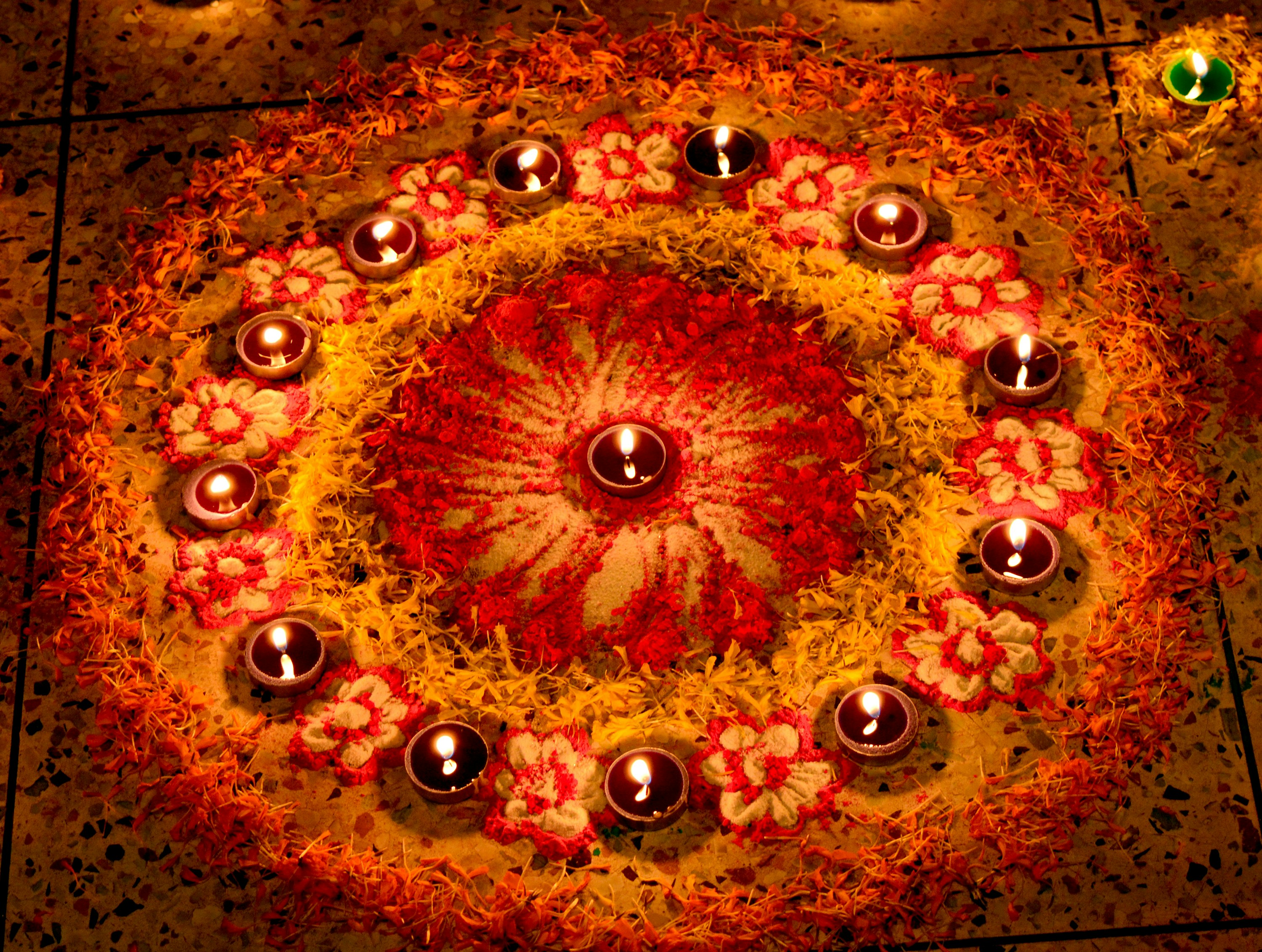
Across India, as dusk falls during Diwali, homes begin to glow. Diyas line windows, balconies and doorways. Rangoli patterns transform entrances into intricate expressions of welcome. Families clean and renew their homes, dress in their festive best, prepare food and exchange sweets, gifts and good wishes.
Throughout October & November, objects used, worn or exchanged can carry meaning far beyond their practical function. A box of mithai becomes a gesture of appreciation. A new garment marks renewal. Jewellery carries prosperity, continuity and sometimes investment. Light becomes more than light: it expresses hope, knowledge and the passage from darkness towards something brighter.
Known sometimes as Deepavali and by other regional names, the celebration is observed in different ways across India. Customs vary between regions, families and diasporas but they all share a cultural language of renewal, generosity, hospitality and connection. Few occasions bring emotion, aesthetics, gifting, retail and social ritual together with such intensity.
So yes, it is easy to see why brands are interested.The celebration concentrates cultural meaning and consumer activity into the same moment, a rare combination of emotional depth and very busy shopping baskets. As India’s economic influence grows, that combination is attracting attention far beyond its borders.
How generational culture is reshaping Diwali
Talk of younger generations “losing touch with tradition” tends to appear whenever culture evolves. The evidence from India tells a more interesting story.
Research by BCG and Snap found that 94% of Indian Gen Z respondents valued traditions and culture, compared with 90% of Millennials. Where the generations differed was in how they wanted to engage with those traditions: 67% of Gen Z preferred adapting them to their own perspective.
The shift is less about rejecting Diwali than claiming some creative ownership over it.
Gen Z: making tradition their own
For Gen Z, cultural participation often passes through personal language. Clothes are styled differently. Festive looks circulate on social media. Rangoli becomes animation. Family moments sit alongside Diwali parties with friends. The celebration can be traditional, fashionable, funny and highly visual within the same evening. This generation researches extensively, consults friends and discovers products through creators, images and short-form content. It is open to experimenting with brands but quick to spot forced cultural enthusiasm.
This creates an appetite for personalisation, participation and contemporary graphic tone. It also creates higher expectations around inclusivity, environmental responsibility and value. Gen Z may enjoy a beautifully designed gift box while still wondering where it will end up once the sweets are gone.
Gen Z may set much of the festival’s visual tempo, but Millennials more often organise and fund the occasion.
Millennials: the celebration’s orchestrators
Millennials often occupy a different role. They coordinate travel, buy presents, plan meals, decorate homes, organise gatherings and somehow remember which relative prefers which sweets.
YouGov’s 2025 research found that Millennials were more likely than Gen Z to say they planned to spend “a lot more” during the festival: 28% compared with 19%. Life stage and household responsibility probably explain part of that difference. This makes Millennials particularly relevant to premium gifting, rapid delivery, hybrid shopping and services that remove practical friction. They respond to nostalgia, but their Diwali may also include friends, colleagues, chosen family and relatives joining from another time zone.
That appetite for convenience sits within a wider family system. Many Millennial choices are negotiated with older relatives, whose knowledge and trust still influence what feels appropriate, valuable and genuinely festive.
Older celebrants: continuity and cultural confidence
Older family members frequently hold a valuable role as transmitters of knowledge. They remember the recipes, explain why something is done and recognise when a visual or verbal detail feels misplaced. They may place greater trust in physical retail, established brands, familiar categories and products they can examine before buying. Quality, service and ritual legibility matter.
Ipsos’ 2025 festival shopping survey found that urban Indians aged over 45 overwhelmingly preferred in-store shopping. The finding speaks to the continuing value of touch, service and trusted retail relationships for festive purchases. It should not be read as digital resistance: older celebrants also use e-commerce and digital payments, and the channel mix is widening rather than replacing one behaviour with another.
Seen together, Diwali is an intergenerational production that broadens the market around it. One household can now contain several ideas of what feels festive, relevant and worth buying; diaspora families add further layers.
Why Diwali has become more of a global moment
Diwali has long been one of India’s most important commercial periods. What has changed is the scale of international attention around it.
India’s growing economic influence is part of the story. The wider festive economy is larger still: according to Confederation of All India Traders estimate, India’s 2025 Diwali retail sales reached a record US$68.77 billion, with food and grocery among the most active categories. The opportunity clearly reaches into everyday consumer goods as well as luxury, especially categories built around gifting, hosting and shared experiences.
Locals have naturally led Diwali for years because many already belong to its rituals of giving, dressing, decorating and gathering. What changed lately was the intensity of global participation: international names staged events, launched parties and addressed diaspora audiences from Delhi to New York.
Why brands love a Diwali holiday marketing
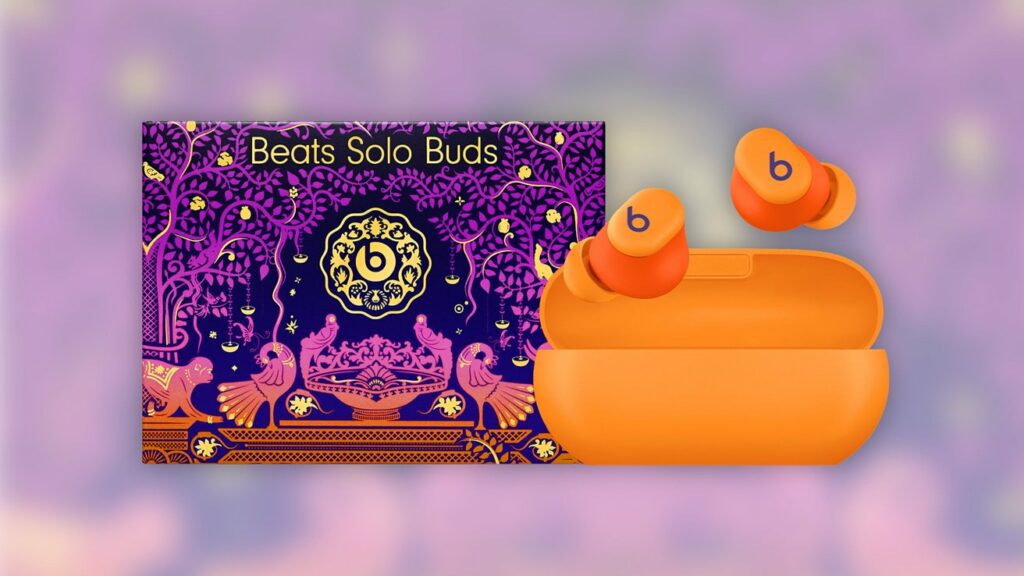
Limited editions bring together several useful marketing levers: urgency, collectability, gifting, premiumisation and editorial appeal. They allow brands to test a new aesthetic without changing the permanent portfolio and give the usual products a fresh reason to be bought, displayed, gifted and photographed, unboxing hello!
A one-off pack may create novelty, but cultural legitimacy depends on what the brand already means within the celebration. This is where many native brands have a competitive advantage.
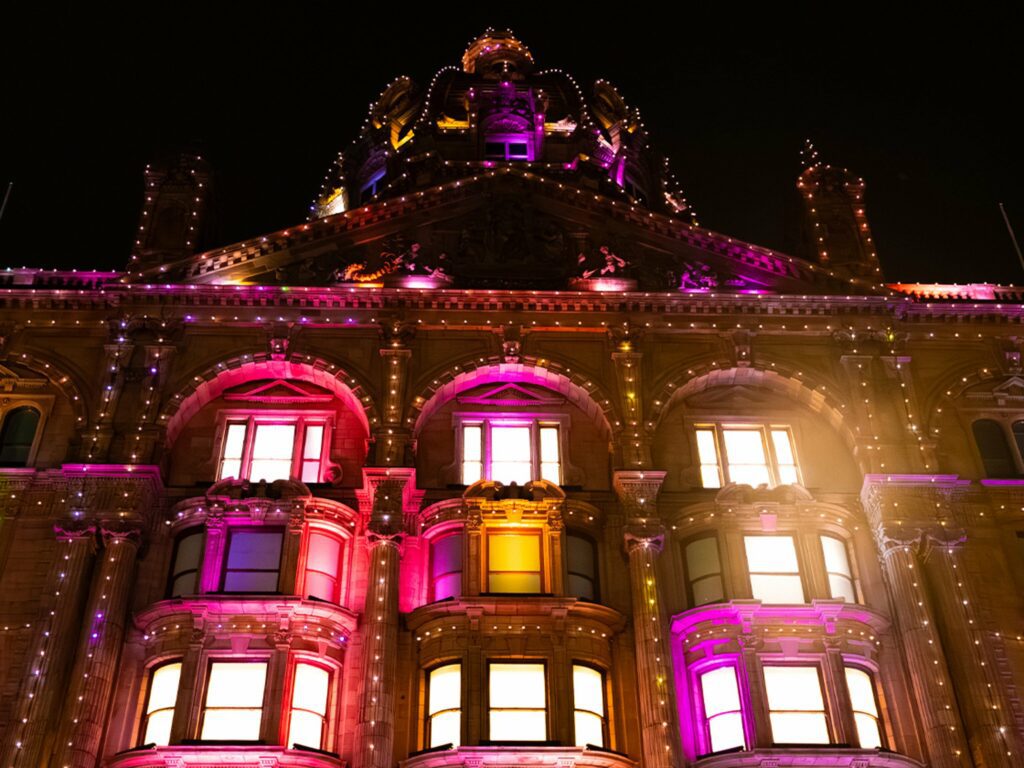
Why local brands often begin with greater ritual legitimacy
Local brands are not automatically more culturally relevant. Some repeat stereotypes just as efficiently as global ones. But they are already embedded in the products and internal logic of the tradition.
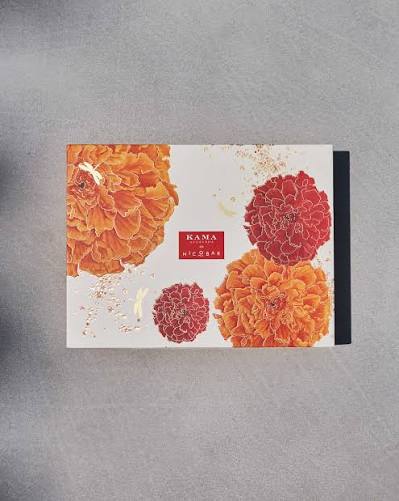
Year after year, Kama bring Ayurvedic beauty rituals into gift sets. The festival amplifies practices already in its positioning, giving it both cultural and category legitimacy.
Haldiram’s 2025 campaign, (‘You celebrate Diwali; we make Diwali’), focused on the people and work behind the celebration. Its gifting range brought stuffed dates, baklava in a contemporary premium format.
Godrej took a different route. Its ‘‘Kanta Didi” campaign portrayed a domestic worker gradually coming to accept the queer couple whose home she helps care for. ‘Didi’ is an affectionate and respectful form of address. The story expanded the picture of who belongs within a Diwali household while keeping the narrative rooted in everyday relationships.
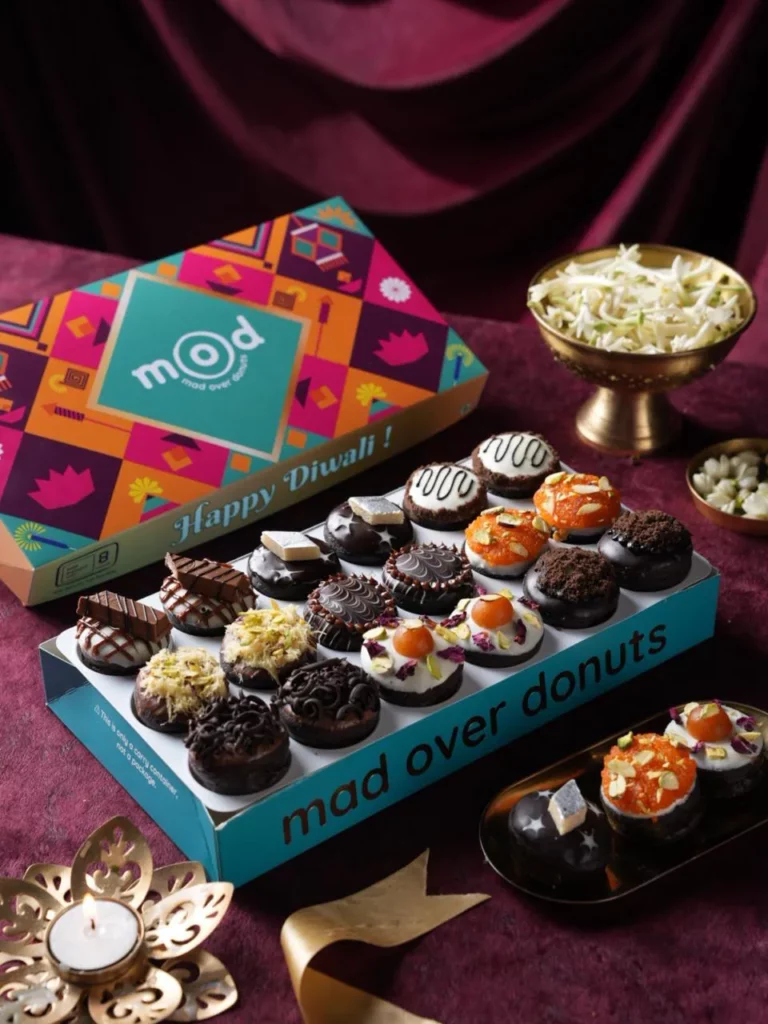
Mad Over Donuts translated sweet flavours into miniature doughnut bites. It brought a well-loved taste language into an Americanised product product.
These examples show what local legitimacy can make possible: a brand can begin with a behaviour, category or relationship people already recognise. Global brands may lack that inherited knowledge but they can bring scale and powerful creative partnerships.
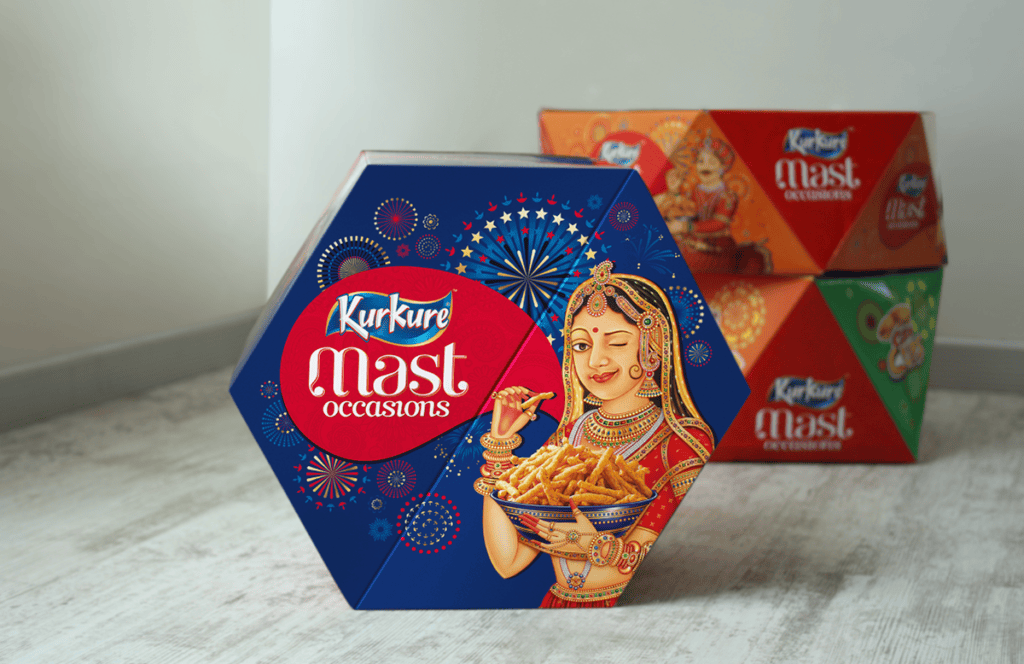
Global Diwali marketing was highly visible in recent years. But the revealing shift was not simply the number of brands appearing; it is the range of roles they are attempting to play.
Why global brands are taking Diwali more seriously
Limited editions: when product and pack do the work
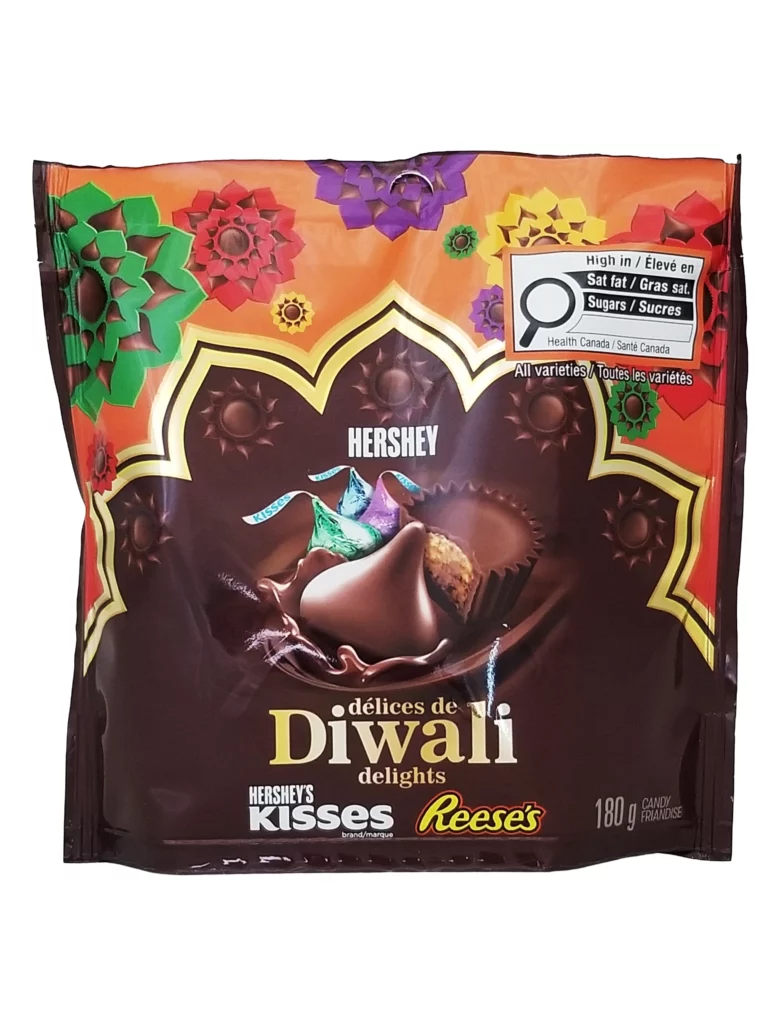
At its most straightforward, a festive marketing adapts the product, format or design to the behaviours of the season: gifting, sharing, display and discovery.
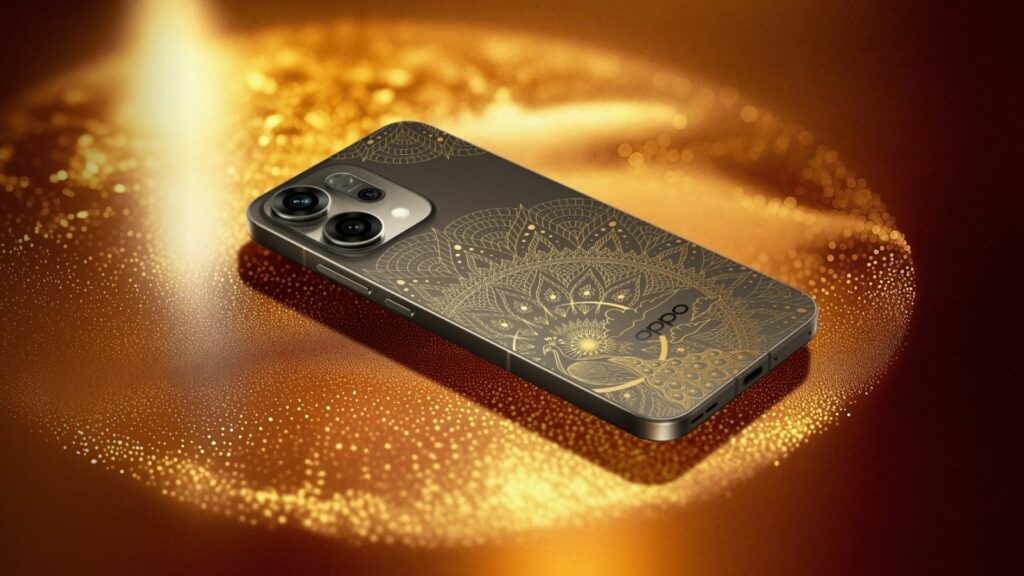
OPPO took the classic limited edition one step further with its Reno14 5G Diwali Edition. Launched in India in 2025, the phone featured Indian-inspired motifs and a heat-sensitive back panel that changed colour with temperature. The festive idea was built into the product’s material finish
Jimmy Choo took a more conventional luxury route with a festive capsule in gold, champagne and red, photographed at Jaipur City Palace with Princess Gauravi Kumari. Glorious! The imagery relied on an established global shorthand of palace India, royalty and opulence.
Both are festive editions, but they operate at different depths. One translates cultural taste into product innovation; the other translates history codes into desirability.
Artistic collaborations: when cultural authorship enters the brand
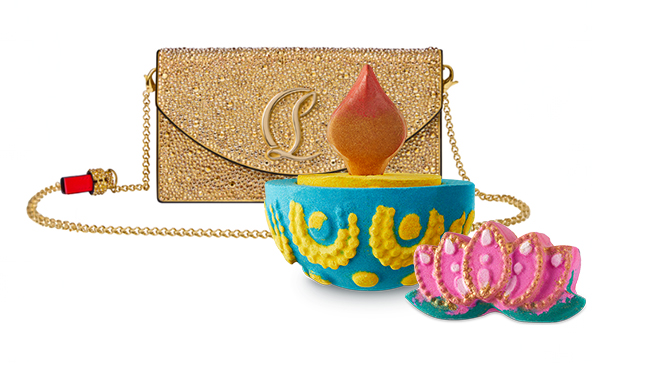
Lush offered one of the clearest examples. Its 2025 collection was developed through the brand’s Co-Create programme, drawing on the memories and experiences of South Asian employees and collaborators. Products included the Prakash Bath Bomb, Mango Lassi shower gel and Mango Kulfi conditioner, alongside artwork by Bangalore-based artist Muhammed Sajid. Here, culture shaped product names, fragrances, formats, stories and illustration.
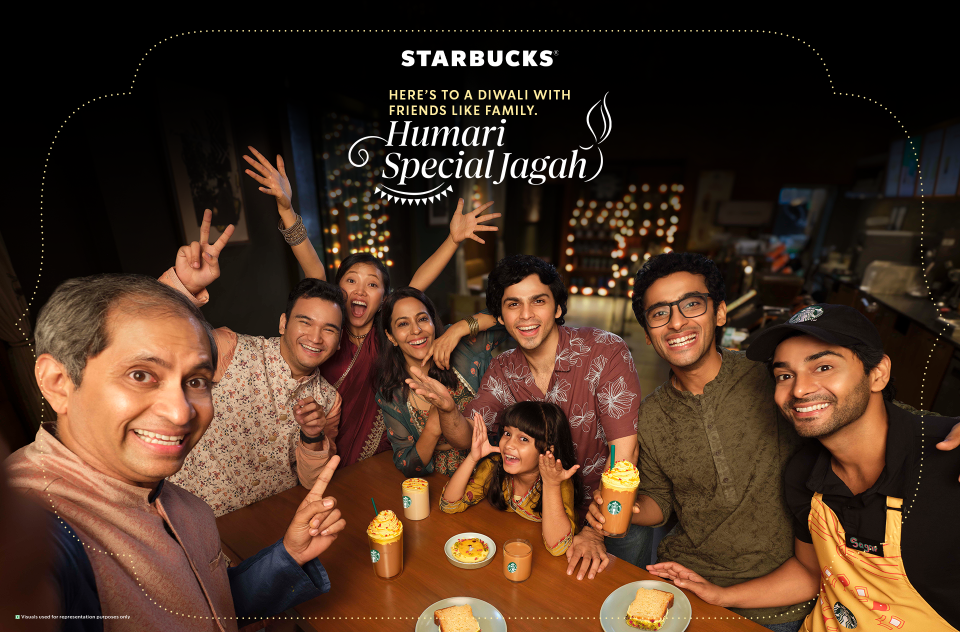
Starbucks India built a broader world. Alongside its #HumariSpecialJagah campaign about connection and chosen family, it introduced saffron-led drinks and desserts, festive gifting and a partnership with Abu Jani Sandeep Khosla. The gift set combined an ivory and gold mug, rose-and-oud candle, Karnataka coffee blend and French press.
The idea moved across design, flavour, fragrance, retail and gifting. It also shows how a limited edition can extend beyond pack graphics into a coherent world.
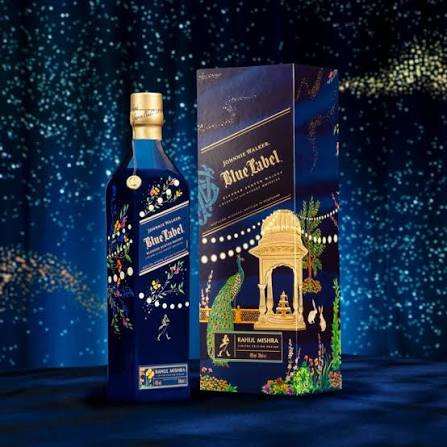
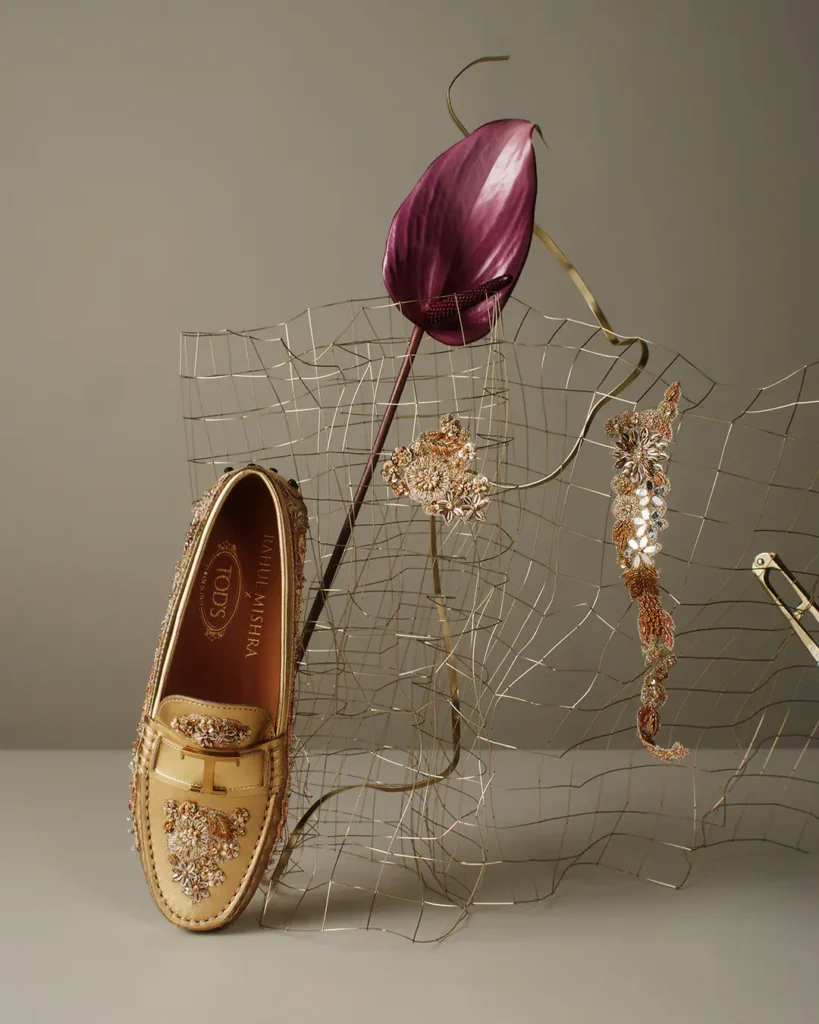
Luxury spirits followed a similar model. Johnnie Walker Blue Label worked with Rahul Mishra on a design inspired by his intricate world of flora, fauna and Indian couture. Chivas Regal collaborated with Gaurav Gupta, whose sculptural symbolism brought winged forms, serpents and a third-eye sun into the bottle.
Across these examples, Indian creative authorship remained visible inside the global brand asset. The collab was the story.
From festive storytelling to digital participation
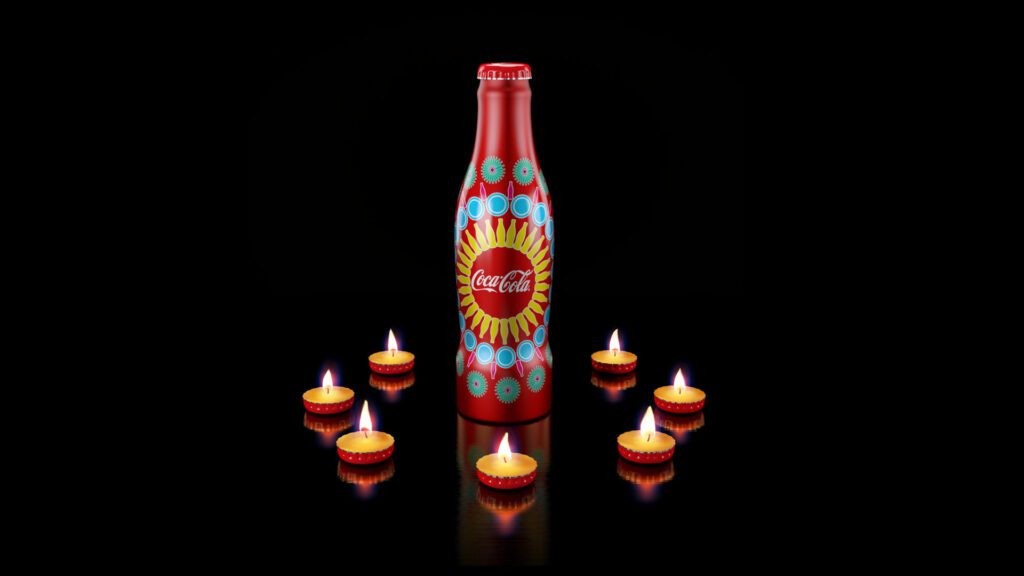
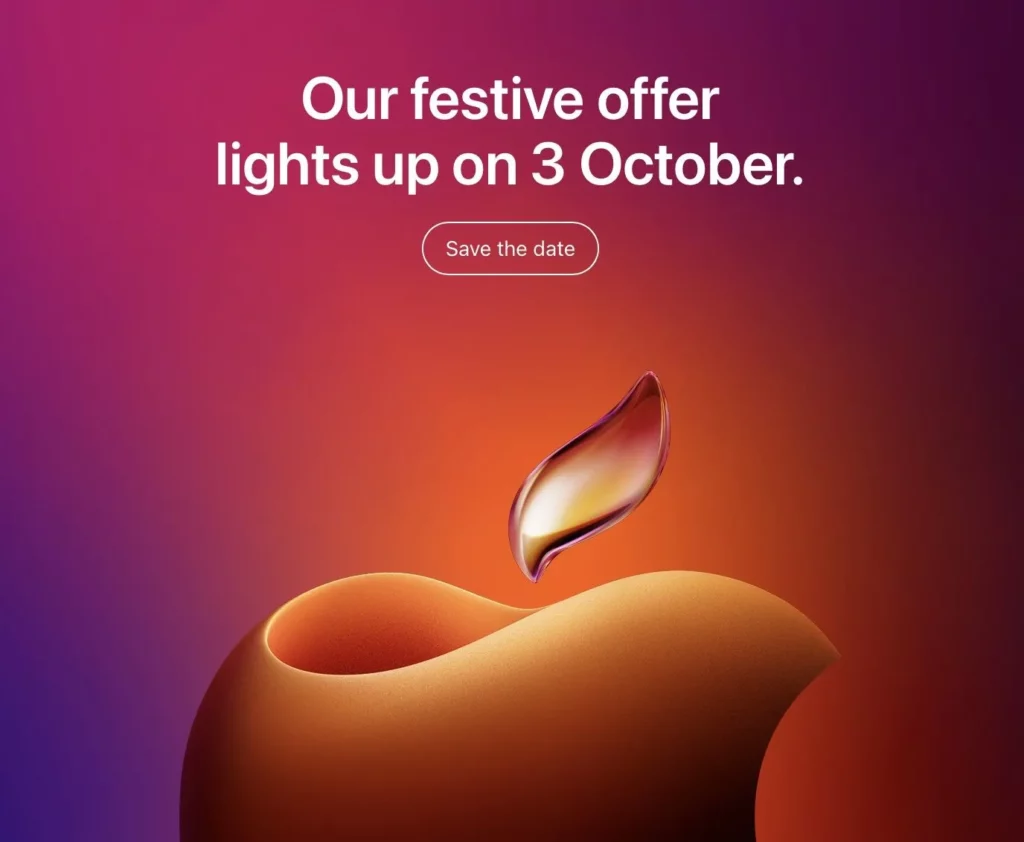
Technology became much more visible last October. Coca-Cola placed QR codes, inviting people to generate festive avatars through Google Gemini. Apple’s “Rangoli’s Got Rhythm” transformed the oeuvre into an energetic composition of dance, music and colour. Swiggy encouraged users to light virtual lamps, while Zepto and Haldiram’s turned preferences for festive sweets into a playful “Mithai Wars” vote.
Yet participation was not limited to digital entertainment. Google India positioned its tools as assistants for cooking, decorating and choosing gifts, while Starbucks offered people a place to meet when home, family and belonging no longer fit one traditional picture.
What Diwali’s visual codes really communicate
Light is a story of transformation
In Diwali branding, light is everywhere: glowing typography, radiant gradients, golden particles, illuminated products and the inevitable halo around the logo. Its cultural meaning reaches further. Light speaks of knowledge, clarity, hope and transition. It marks movement from darkness towards possibility, and from the ordinary towards the auspicious.
That opens more interesting design opportunities than adding sparkle. Packaging can reveal light through its opening structure. A retail journey can move from shadow to colour. A campaign can show a relationship being renewed.
Rangoli and the language of welcome
Rangoli as a folk art brings together geometry, repetition, hand-making, colour and impermanence. Placed near the entrance, it marks a threshold and welcomes people into a transformed space.
For designers, this offers a rich visual grammar. Patterns can expand, connect or respond to movement. Packaging can borrow from the idea of entering and revealing. Digital experiences can allow people to build collective patterns rather than choose from a library of ready-made stickers.
Gold, colour and abundance
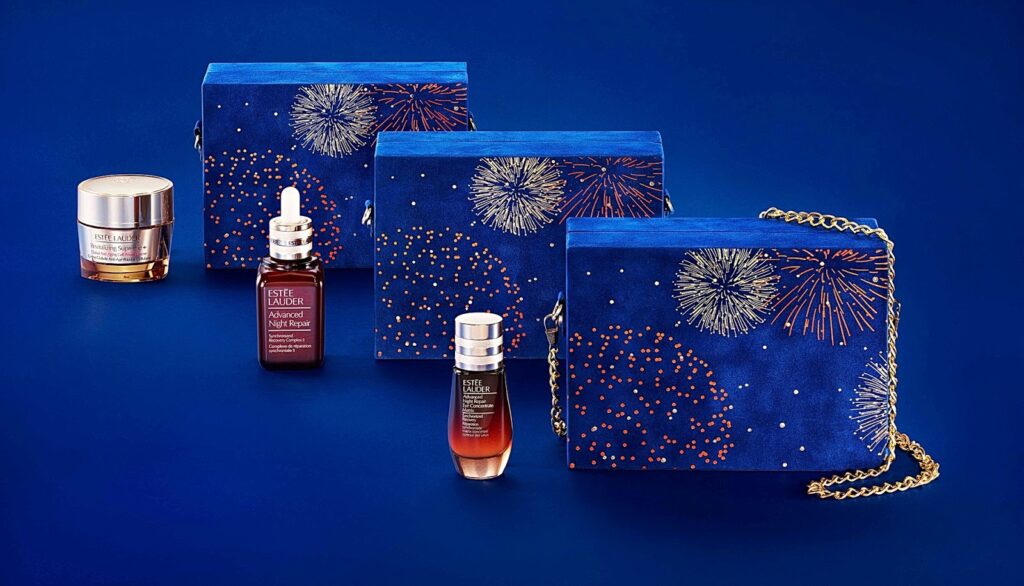
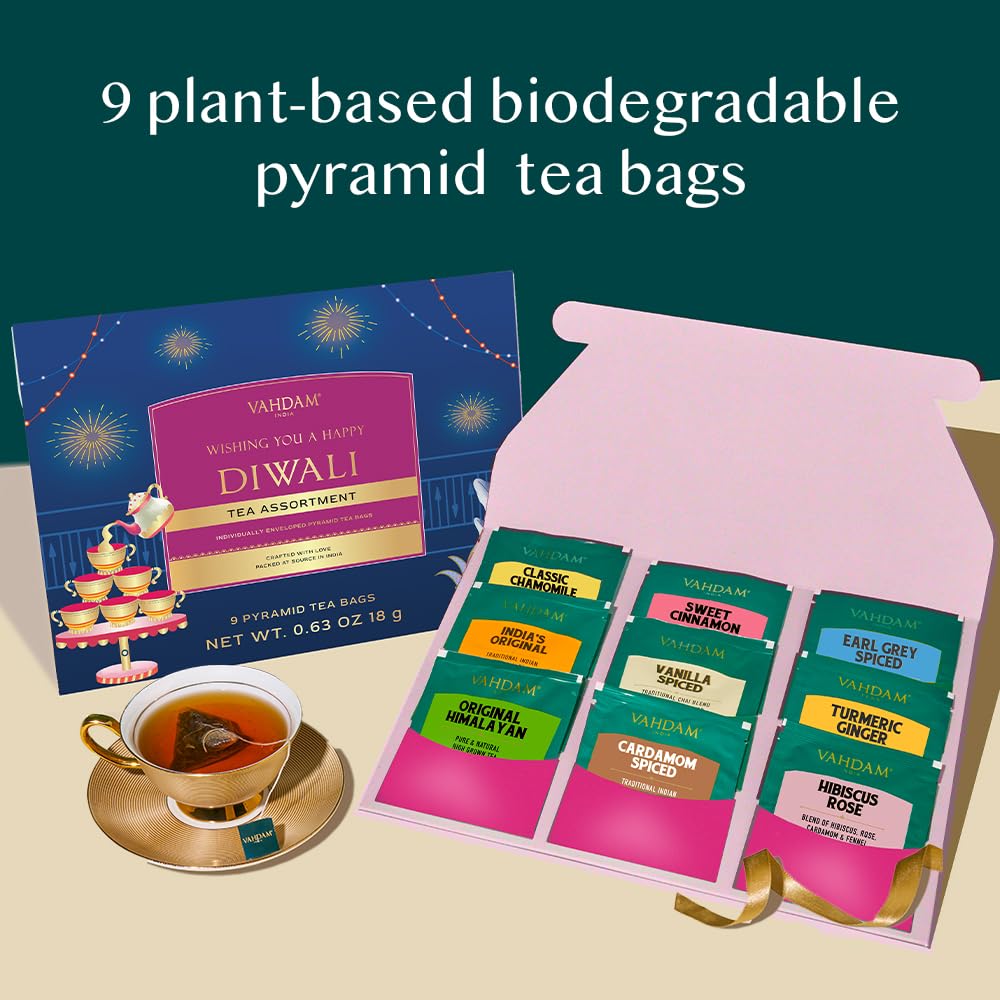
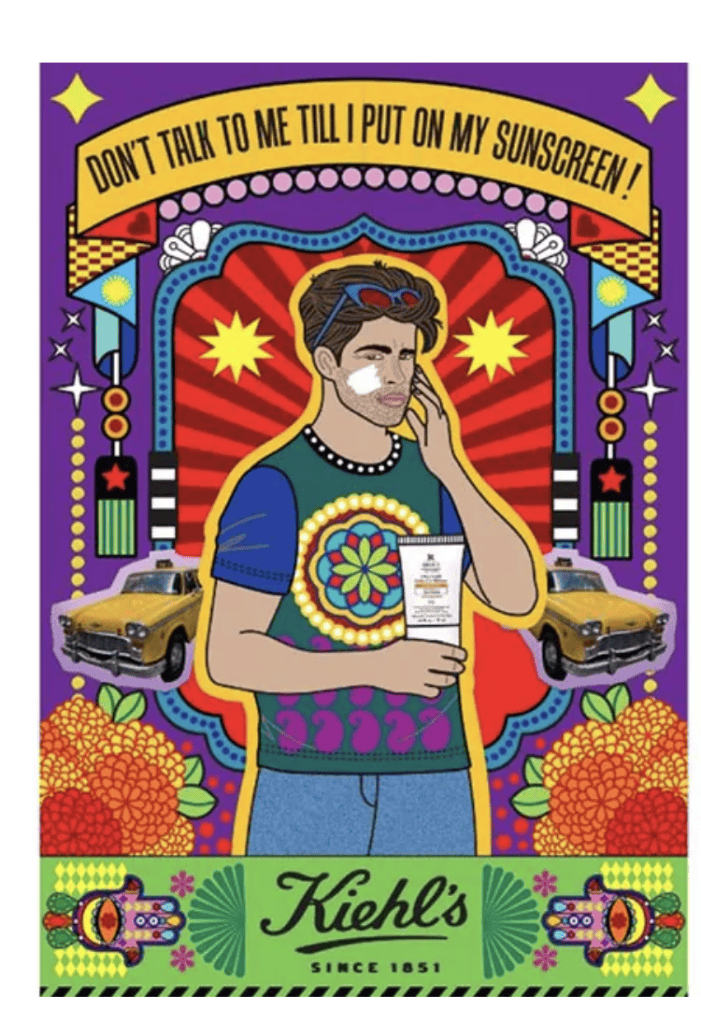
Gold, saffron, red, magenta, purple and marigold orange dominate packaging design. They communicate energy, warmth, prosperity, generosity and ceremonial value. They also dominate because we know consumers will recognise them in half a second.
Some brands are exploring a more contemporary edge: selective ornamentation, deeper material textures, controlled colour palettes, expressive typography and more space around traditional motifs. Digital and kinetic interpretations are replacing some static patterns, while artists and craftspeople are becoming visible contributors rather than anonymous sources of inspiration.
The distinction that matters is not local versus global; it is whether cultural understanding changes the brand idea.
What brands can learn from Diwali Marketing
Now that global brands are part of the celebration...
For CPG, Diwali is not simply a communications peak: it changes how products are chosen, gifted, shared and experienced. The opportunity is to identify one credible stance, designing for the full journey of a gift, reconciling traditions with modernity, or helping them travel across generations and diasporas One central idea may connect Mumbai, Dubai and London, but its voice should respond to different tastes, behaviours and practical realities.
Kulture Khazana, for example, recognised that local conditions made powder rangoli difficult for some families in the US, so it reimagined the ritual as a reusable puzzle. The format preserved the pleasure of creating instead of merely borrowing its patterns as decoration and helped the brand reach more than 280 Target stores.
Cultural relevance begins with understanding what people want to preserve from a celebration and help them get there. A limited edition may win the seasonal purchase. Loyalty is earned when the same cultural attentiveness remains visible beyond the festival.
Planning a festive or seasonal edition?
At INTERCULT BRANDS, we dive into the culture of your target audience to understand its nuances before we begin designing.
Diwali is one example. Ramadan, Lunar New Year, Christmas, Easter and Halloween each reshape habits, expectations and meanings in their own way.