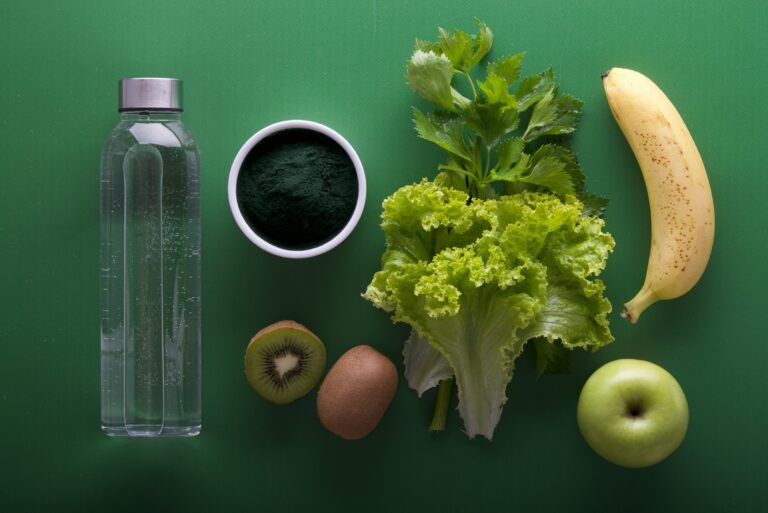

You don’t reach for a drink because you’re thirsty anymore. Nor for a snack because you’re simply hungry. You reach for something that promises calmer digestion. Better focus. More energy. Better sleep
A few years ago, that might have sounded unusual. Today, it feels completely normal.
Wellness has already changed how we eat. Once tangled in the grip of toxic diets and endless restriction, consumers are pushing back. Health is no longer about counting calories or categorising as “good” or “bad”. It is increasingly about balance, prevention and feeling well enough for longer.
Walk through any supermarket and the new reality is everywhere. Protein bars sit alongside confectionery. Prebiotic sodas compete with traditional soft drinks. Collagen waters promise beauty from within.
Functional food and beverage have moved from the margins to the core.
Why are we asking food and drink to do more?
The rise of functional food says as much about modern life as it does about nutrition. We live in a world that constantly demands more from us. More productivity. More resilience. More energy. More emotional bandwidth.
At the same time, many of the systems traditionally responsible for supporting wellbeing feel increasingly strained. Healthcare systems are under pressure. Mental health concerns are rising. People are living longer, but not necessarily healthier.
Against this backdrop, food and drink have become one of the few things we feel we can actively control.
Small rituals. Repeated daily.
According to WGSN, 80% of millennials consider the health benefits of food before buying. On the surface, that points to rising health awareness. Dig a little deeper and it reveals something else: people increasingly use everyday consumption to manage how they feel, physically, mentally and emotionally.
Longevity is part of the story, but not the whole story.
Consumers are navigating multiple needs at once: preventive care, daily optimisation, corrective care and long-term wellbeing.
Functional food no longer sits in the realm of future promise. It has become part of the everyday toolkit people use to feel better today
Functional Foods: Everyday nutrition gets rewritten
Protein goes mass
Protein is perhaps the clearest example.
For decades, protein belonged to gym culture. Today, it is everywhere: cereals, yoghurts, chocolate, pasta and even crisps.
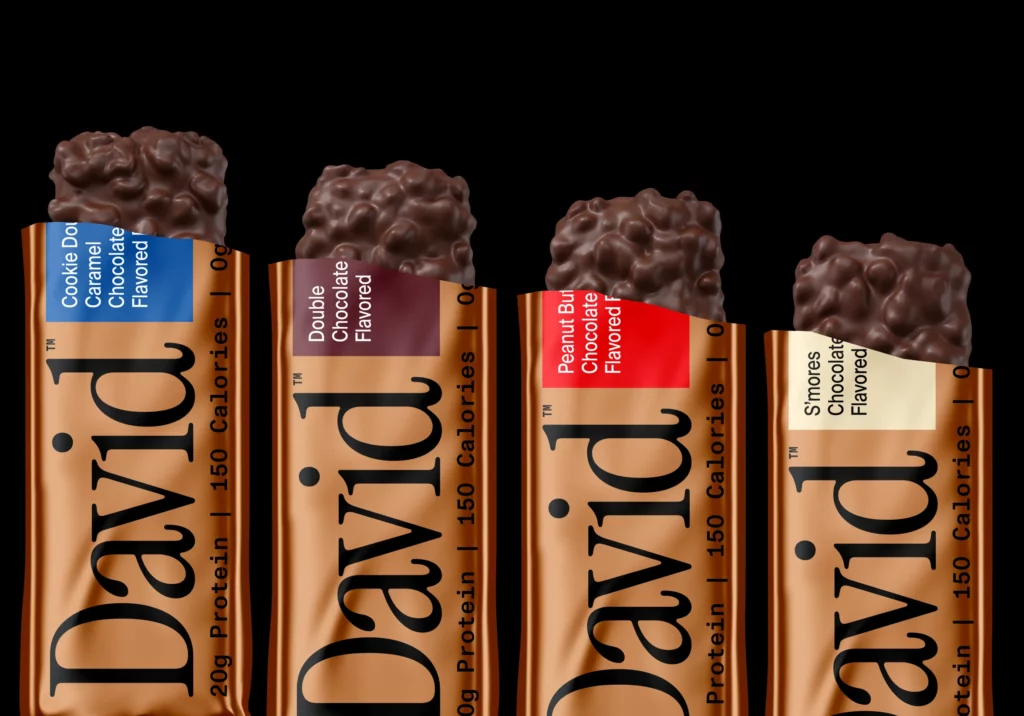
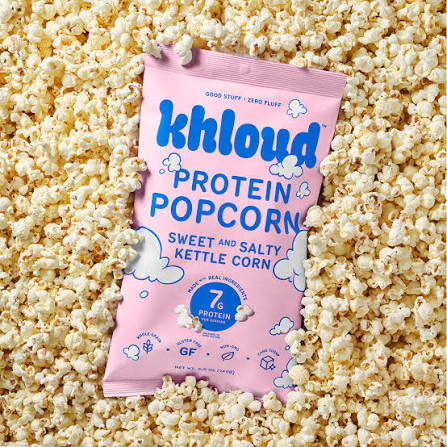
Brands such as David have helped reposition protein from sports nutrition to lifestyle nutrition. Its minimalist design feels closer to luxury skincare than traditional fitness branding. Swedish brand Barebells transformed protein bars into indulgence and Khloud is reinventing the snack aisle.
Somewhere along the way, protein stopped signalling athletic ambition for the sake of everyday preparedness.
Fibre’s image makeover
Fibre is undergoing a similar transformation.
Historically, fibre was discussed in clinical terms. Necessary, sensible and often slightly boring. Today, it is wrapped in the language of digestive comfort, satiety and gut health.
Consumers don’t wake up thinking about fibre intake. They think about bloating, sluggishness and wanting to feel lighter.
The brands driving fibre’s revival understand this instinctively. Oat Cult’s “overnight gut oats” use bold typography and indulgent flavour cues to make digestive wellbeing feel culturally relevant rather than corrective.
Kreatures of Habit takes a similar approach, turning overnight oats into a functional breakfast rich in protein, probiotics and fibre.
Fibre itself hasn’t changed. The cultural story around it has.


Plant-based grows up
Plant-based innovation is also evolving.
For years, the category focused on imitation. Products were designed to replicate meat, milk and cheese as closely as possible.
Now, a different narrative is emerging. One that celebrates plants rather than disguises them.
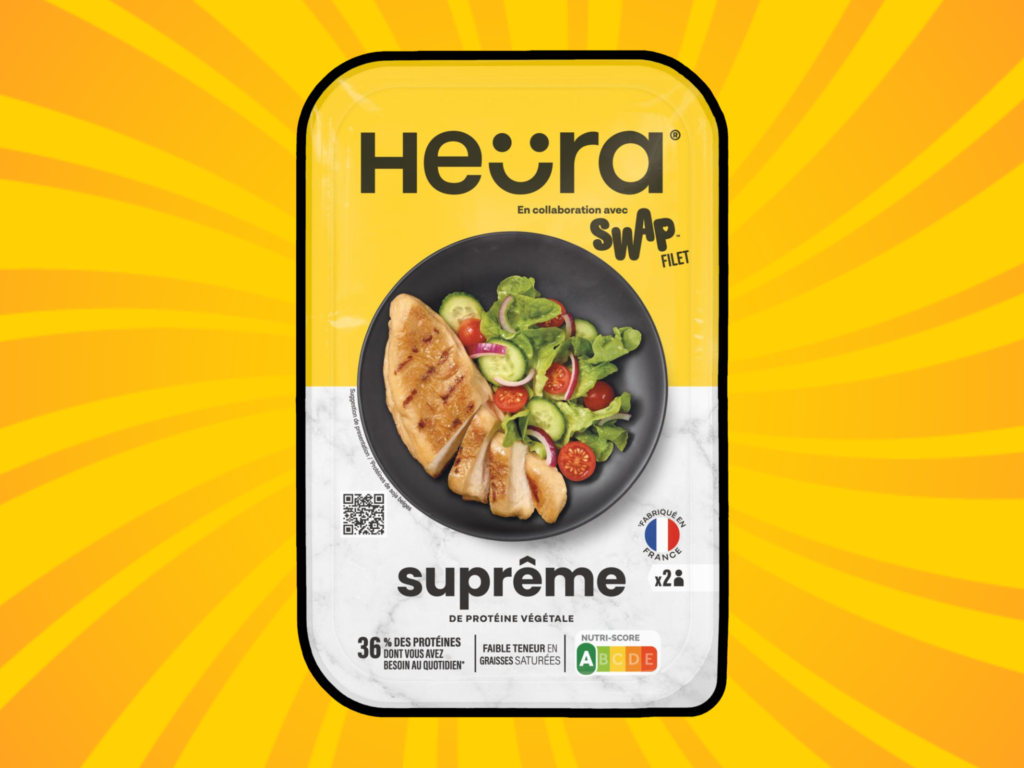
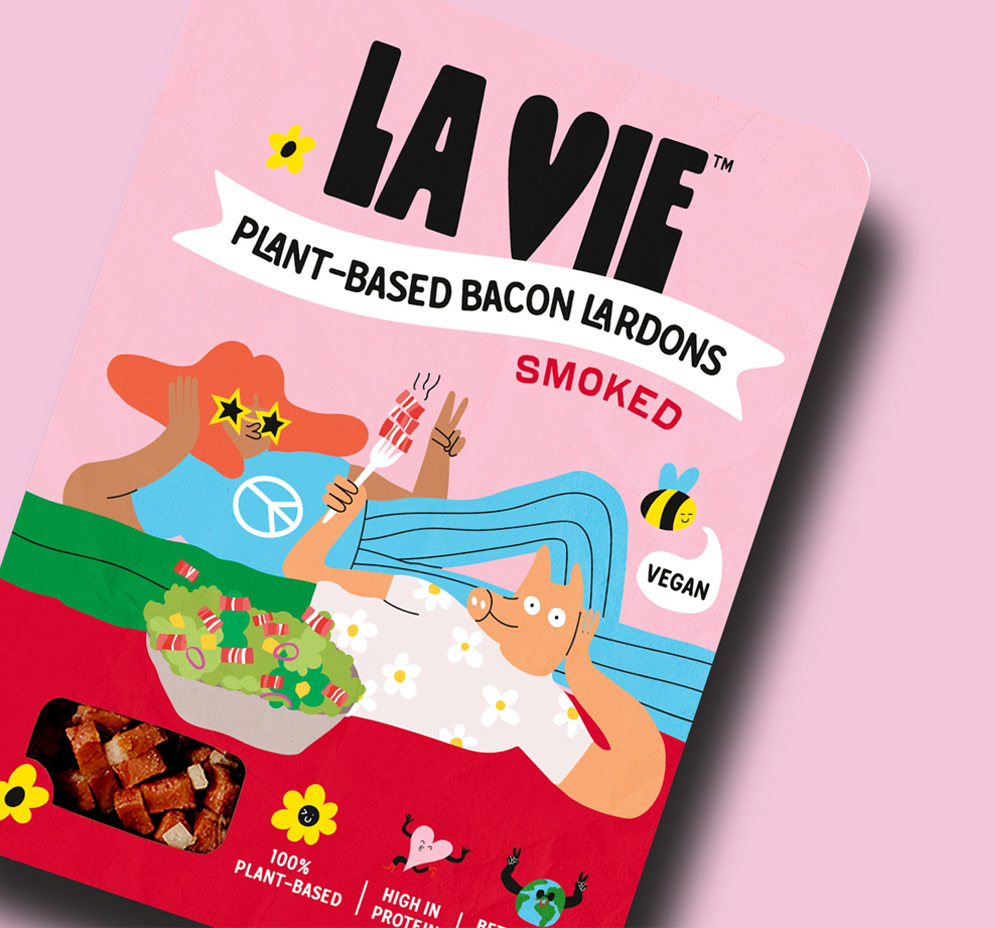
French brand La Vie illustrates this shift well. While producing plant-based alternatives, its communication centres on humour and cultural relevance rather than sacrifice. Spanish brand Heura similarly positions plant-based eating through Mediterranean food culture.
Across Asia, brands continue to draw on ingredients that have existed in local food traditions for centuries, from tofu and soy to mushrooms and seaweed, demonstrating that plant-based innovation does not always need to imitate meat to succeed.
Functional Beverages: The new wellness delivery system
Food may be gaining new responsibilities, but beverages are becoming the fastest way to deliver them.
Changing what we eat often requires effort. Changing what we drink usually requires a swap. That lower behavioural barrier helps explain why so much innovation is happening in beverages.
Consumers are also beginning to recognise functional beverages as a category in their own right. Spate recorded a 491.8% year-on-year increase in US popularity for the term “functional beverage” across Google, TikTok and Instagram. More revealing than the percentage is the language shift: people increasingly search according to what a drink does, from hydration and energy to focus, calm or alcohol-free socialising, rather than simply what it is.
Gut health gets a rebrand
Few functional territories have evolved faster than gut health. Beverages like Kombucha helped that change.
Brands such as GT’s Living Foods in the US and Remedy Drinks in Australia introduced a new visual language around digestive wellbeing. Fermentation, natural ingredients and wellness rituals replaced clinical cues.
Then came the next evolution.
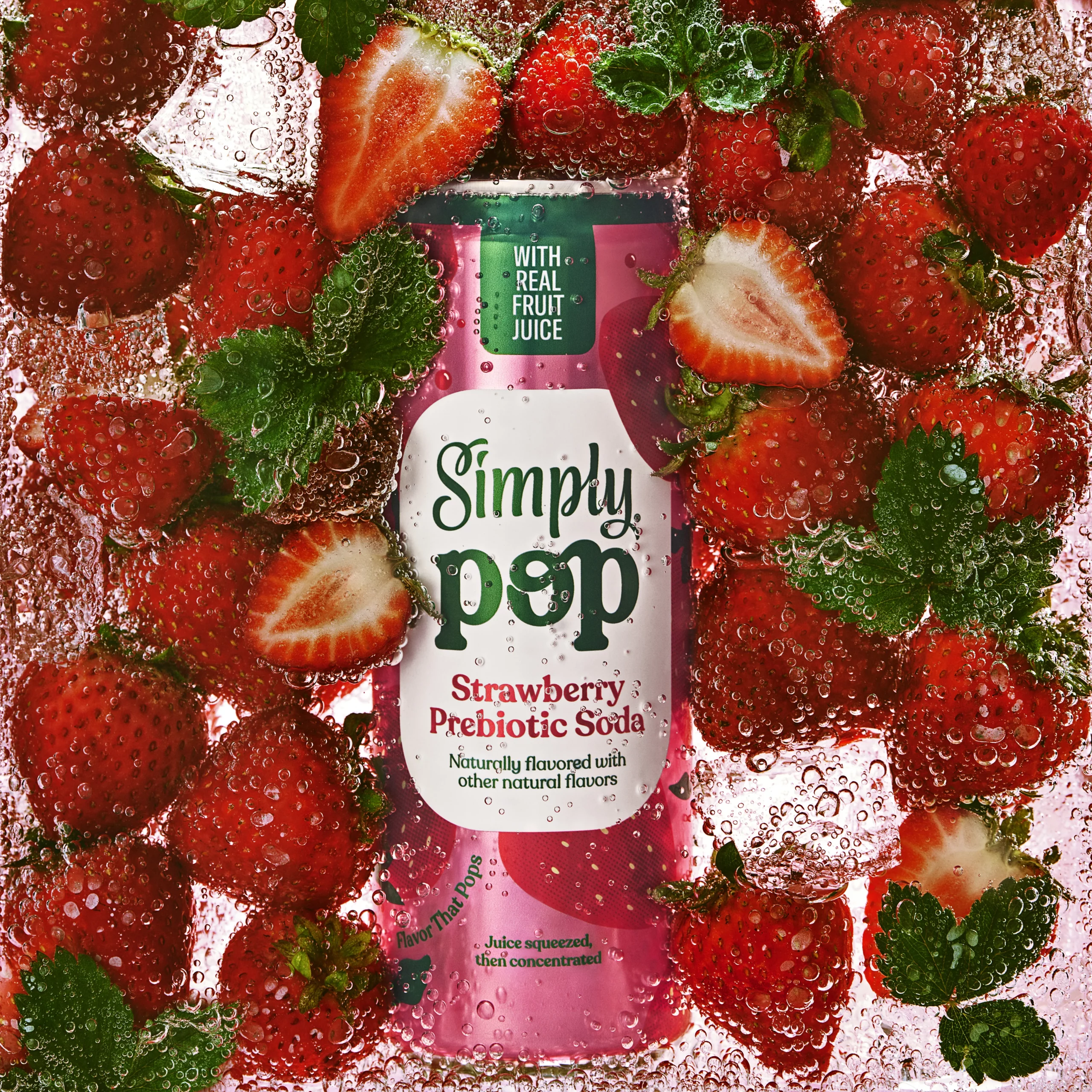
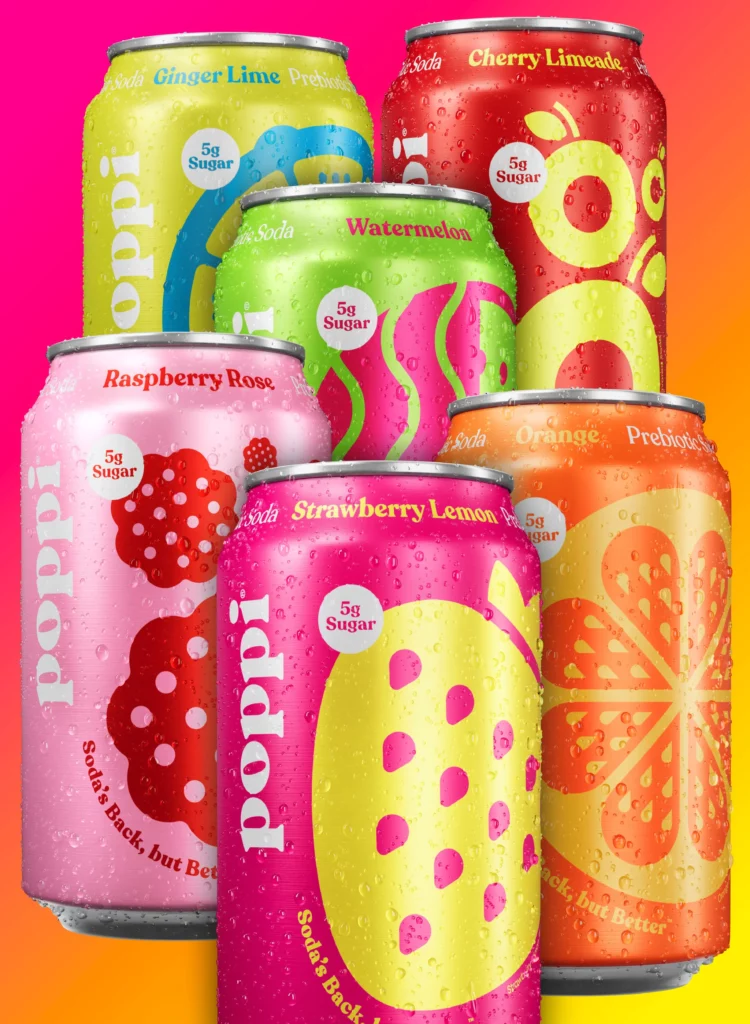
Olipop and Poppi transformed prebiotic soda into a fun proposition, proving consumers were willing to embrace digestive wellness if it arrived in a more familiar and enjoyable format.
When PepsiCo acquired Poppi and Coca-Cola launched Simply Pop, it signalled something important: digestive health had become mainstream.
Perhaps that is the category’s greatest success. Brands did not teach consumers digestive science. They made gut health desirable
Hydration becomes a platform
Water is no longer just water, imagine that! Disqualified!
Hydration has evolved into one of the most flexible platforms in functional beverage innovation.
Electrolytes, once associated almost exclusively with athletes, are now appearing in products designed for office workers, parents and wellness enthusiasts.
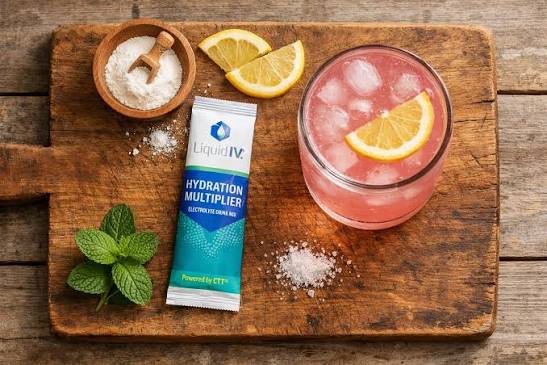
Brands such as Liquid I.V. helped popularise this shift, transforming hydration into a multifunctional platform supporting recovery, immunity, energy and focus. Similarly, Propel has expanded hydration beyond sport, positioning it as part of everyday

Mental wellbeing becomes a functional benefit too
For years, functional beverages focused primarily on the body. Today, they increasingly focus on the mind.
Burnout, stress and poor sleep have become everyday realities. At the same time, conversations around mental health have become more open and less stigmatised.
The beverage industry has responded quickly.
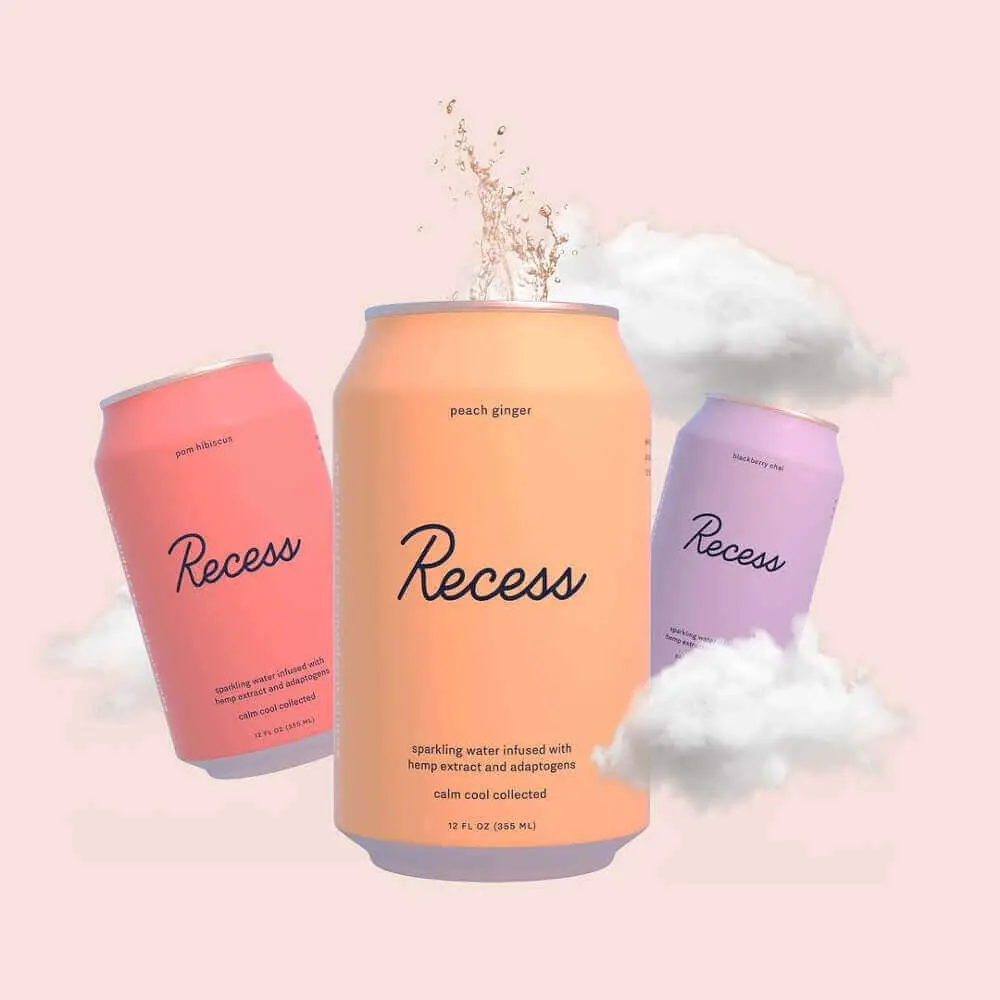
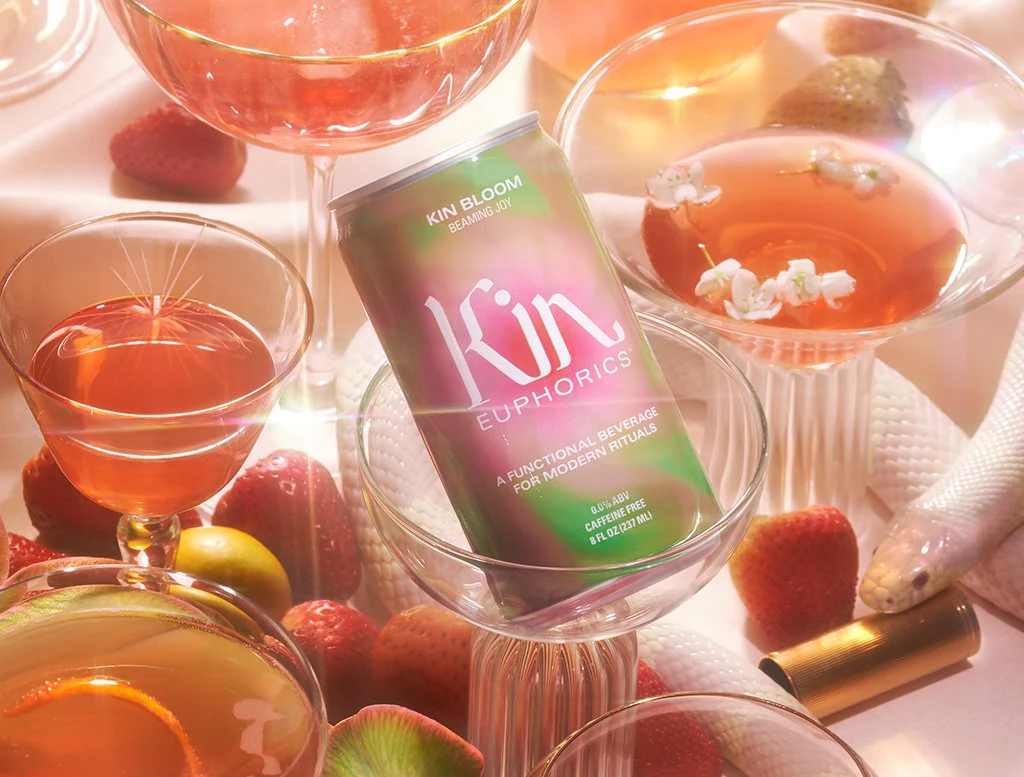
Brands such as Recess, Kin Euphorics, Three Spirit and London Nootropics have built propositions around focus, calm, mood and sleep.
Ingredients such as magnesium, L-theanine, adaptogens and nootropics are gaining traction because they fit into a broader need: emotional regulation.
Matchaful captures this shift particularly well, positioning matcha as a mindful alternative to traditional caffeine culture.
Consumers are becoming less interested in maximising performance at all costs, and definitely not at the expense of their mental bandwidth.
Collagen and the shift from beauty to healthspan
Collagen tells a different story.
A decade ago, collagen belonged firmly in the supplement aisle.
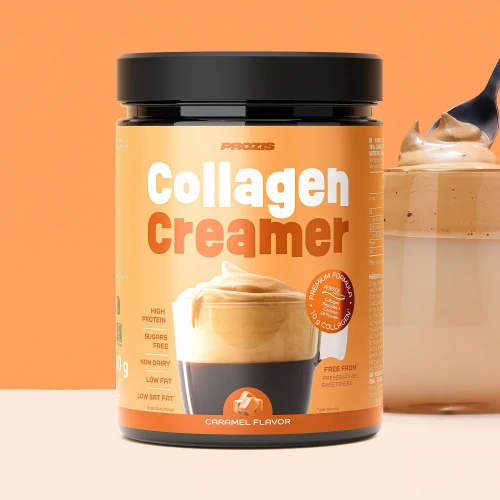
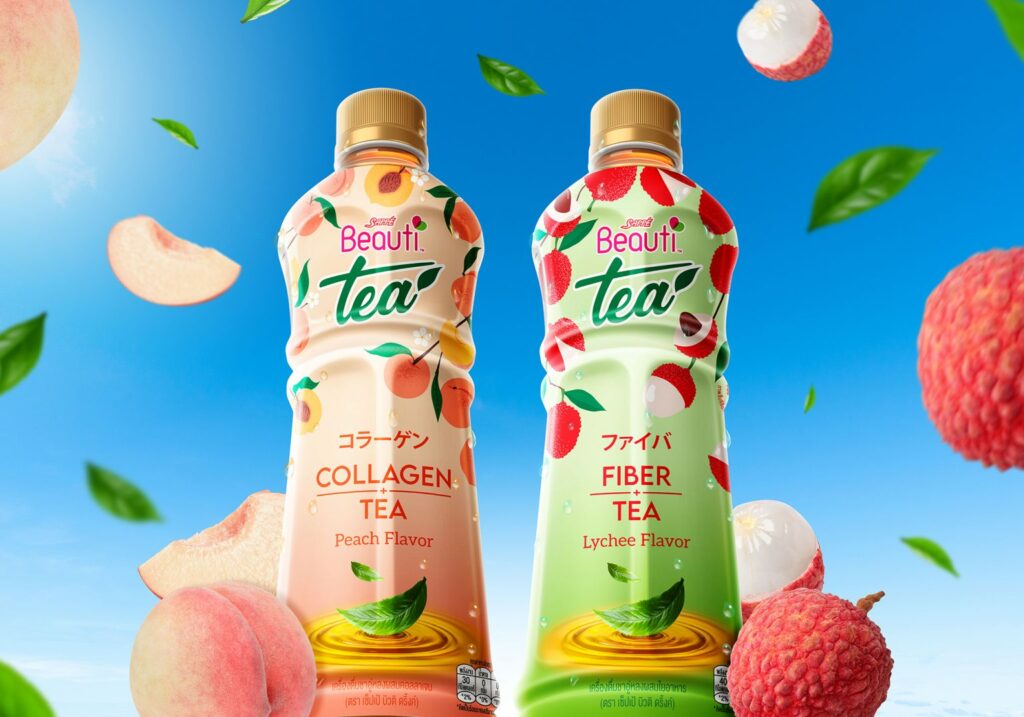
Today, it increasingly appears in other formats. Brands such as Dose & Co have moved collagen into everyday rituals through coffee and ready-to-drink. In Asia, brands such as Kinohimitsu, Brand’s InnerShine and Sappe Beauti Drink have normalised collagen beverages for years.
Collagen beverages sit at the intersection of beauty, wellness and healthy ageing, reflecting a growing belief that how we age depends as much on what we consume as what we apply.
Tensions shaping the future
Wellness risks becoming a luxury
Functional food and beverage are often positioned as a democratisation of health. The reality is more complicated.
Many products promising better gut health, focus or longevity come with premium price tags. At the extreme end, celebrity smoothies sold at Erewhon in Los Angeles regularly cost more than $20.
This raises an uncomfortable question: if wellness increasingly comes with a premium price tag, who gets to participate?
The trust gap
The industry has seen its share of exaggerated promises and health claims. Even some of the category’s biggest success stories have faced scrutiny. Poppi’s legal challenges remind us that cultural momentum cannot replace scientific evidence.
Consumers still want functionality, but they increasingly want proof. According to NIQ, scepticism is widespread: nearly two-thirds of consumers worldwide question the health claims made by food companies, while the vast majority want greater transparency on labels. Trust may soon become as important as taste.
Regulation within borders
Health claims rarely travel unchanged.
Europe operates under strict rules, with only authorised health and nutrition claims permitted. That means brands cannot simply import US-style language around gut health or longevity and expect it to work. Probiotic and fibre claims often struggle to meet European evidence standards, while many botanical claims remain in a regulatory grey zone.
Japan offers a different model. Function has long been embedded in everyday food culture, but claims must still be supported by clinical trials or systematic literature reviews. In other words, understanding local regulation is just as important as understanding local culture.
Global trends; Local cultures
One of the biggest mistakes brands make is assuming a global trend will look the same everywhere. It won’t. Many of today’s functional trends are simply modern interpretations of practices that have existed for generations.
In France, Actimel normalised digestive health long before gut health became a street talk. Across North Africa, Leben has long been associated with nourishment and wellbeing. In Japan, matcha has been consumed for centuries as part of rituals centred on focus and mindfulness. In India, turmeric has been used in food and home remedies long before it became the golden latte.
For many cultures, these “new” wellness trends are simply called breakfast 😉
Consumers want support, not homework
Probiotics. Adaptogens. Lion’s mane. Prebiotics. At some point, functionality risks becoming overwhelming.
Consumers do not want to spend their day decoding ingredient lists or managing elaborate wellness routines. They want simple solutions that fit seamlessly into everyday life. The future belongs to brands that reduce that cognitive load.
The next frontier of functional F&B
Wellness gets personal
The next chapter of functional food and beverage will not be defined by a single super ingredient. It will be shaped by a new generation of consumer needs.
Women’s health is one example. From hormonal balance and fertility to menopause help, brands are beginning to address needs that have historically been overlooked.
Metabolic health is another emerging territory. The rise of GLP-1 medications is already reshaping conversations around satiety, hydration and nutrient density.
The new wave of ingredients
A decade ago, chia, açai, goji berries and coconut water became the symbols of wellness culture. Later came turmeric lattes, matcha and hemp-based beverages. Many have moved beyond peak hype, but their legacy remains.
Now ingredients such as ube, Guayusa, Yerba mate, mung bean and chlorella are appearing across innovation pipelines, reflecting growing interest in sustainability, cultural exploration and plant-powered nutrition.
Creatine is another ingredient to watch. Long associated with sports nutrition, it is increasingly being discussed through the lens of healthy ageing and cognitive performance.
Function without friction
Functional claims have acquired a new vocabulary: mitochondrial support, biomarker-linked nutrition…too sophisticated! Consumers may be becoming more knowledgeable, but that does not mean they want every bottle or snack to arrive with a lecture in biochemistry.
The most advanced formulations alone won’t determine the winners. They will be the ones that fit seamlessly into existing behaviours. Consumers no longer want to choose between what is good for them and what they enjoy.
For years, wellness asked people to compromise. Today’s consumers are rejecting that trade-off. The future belongs to products that improve wellbeing without making life feel smaller.
The bigger picture
Category boundaries are becoming increasingly irrelevant to consumers.
They don’t separate food from health, beauty from nutrition, or physical wellbeing from emotional wellbeing. They expect products to enhance life as it is actually lived: busy, demanding and increasingly blurred.
For brands, this means competing on something bigger than functionality. It means competing on relevance.
Ingredients still matter. But the brands that win will be the ones that slip naturally into people’s routines, becoming part of everyday rituals rather than another task on the wellness to-do list.
Looking for more?
If you’d like to explore how cultural shifts are reshaping food and beverage, and what that means for your brand, reach out to INTERCULT BRANDS.