
Haircare used to revolve around fairly simple promises.
Today, the category carries much bigger cultural weight.
The category has expanded far beyond cleansing and conditioning. Consumers now expect haircare to be wholesome.
Haircare has become a system of Identity, Wellness and Culture
The Skinification of Haircare
The first clue came through the skinification of haircare.
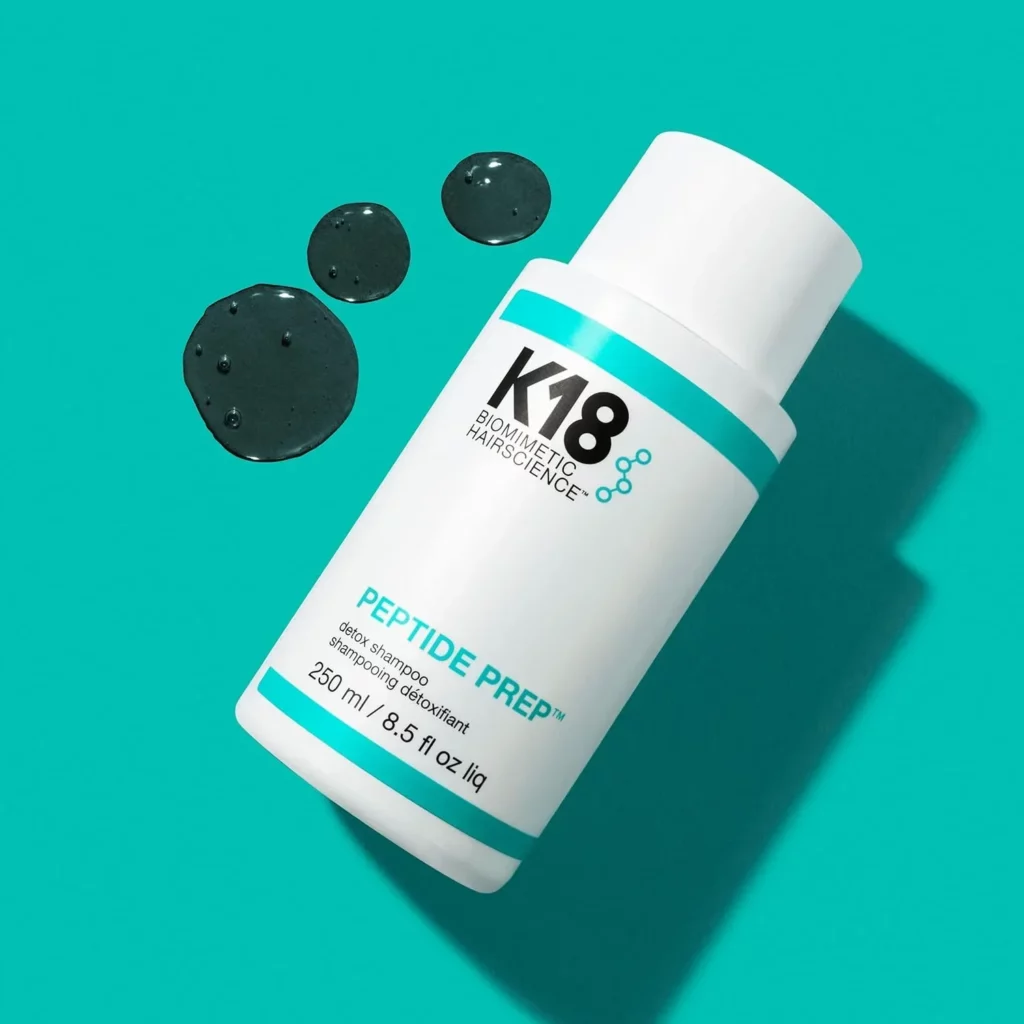
Suddenly, shampoos started sounding like serums. Brands like K18 and Olaplex reframed hair as a fibre system that could be diagnosed, repaired and optimised. Even L’Oreal Elvive Glycolic Gloss transformed salon glossing into a mass-market “at-home lamination” ritual.
This evolution is happening globally, but different regions express it through very different cultural lenses.
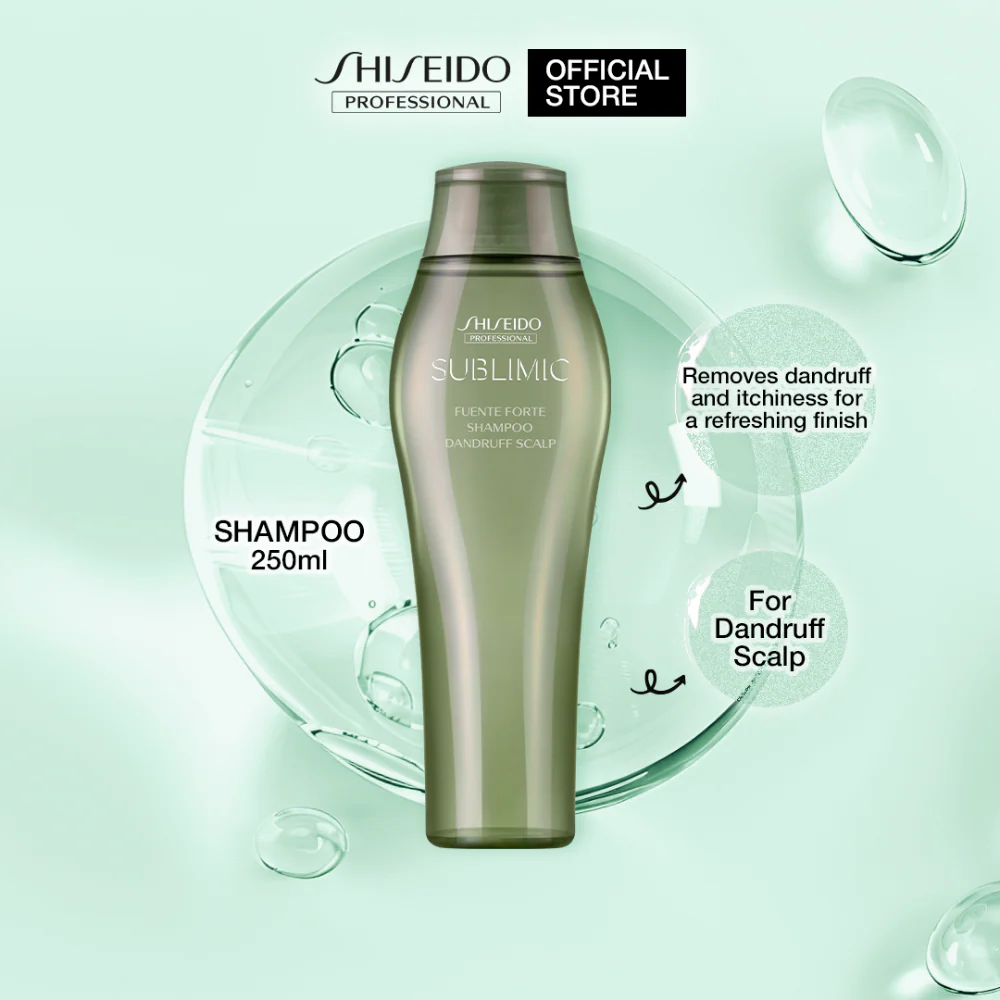
In Japan, Shiseido Professional Sublimic, Milbon and Kaminomoto combine scalp diagnostics, precision rituals and minimalist clinical aesthetics in ways that feel highly refined rather than overtly medical.
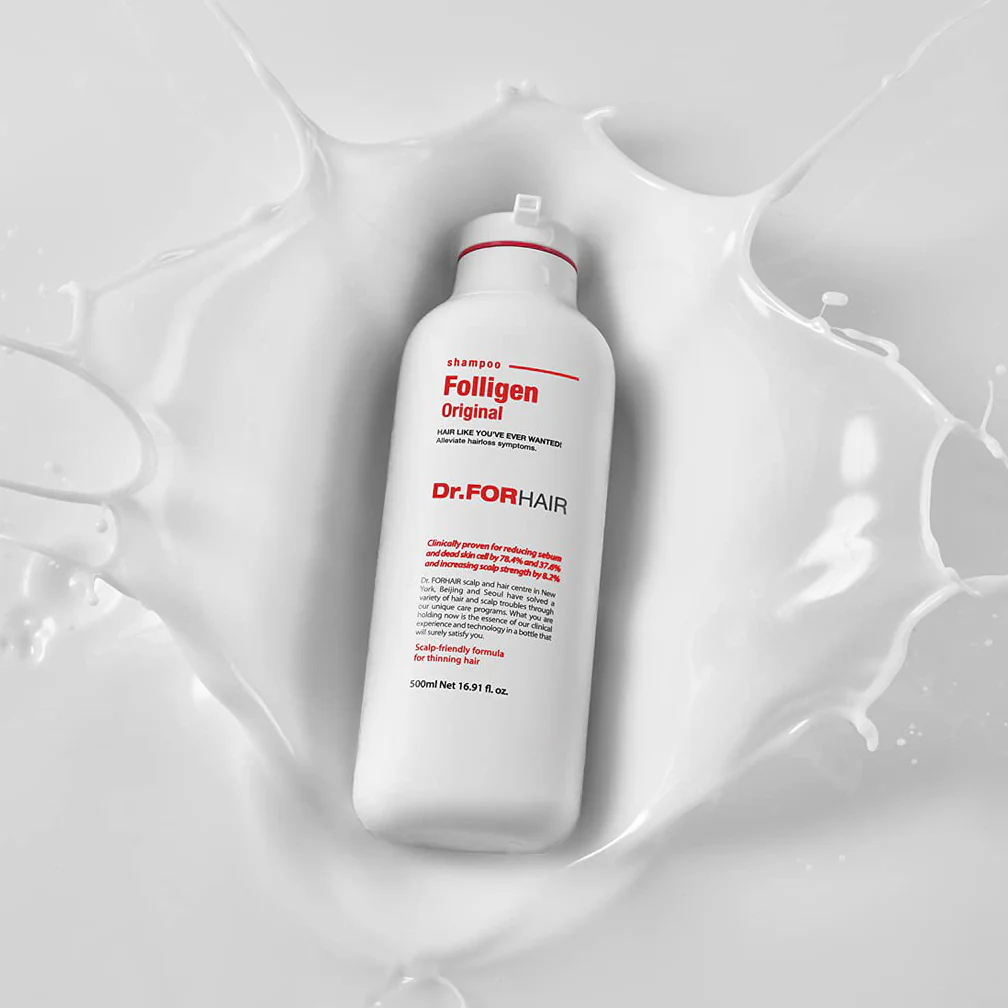
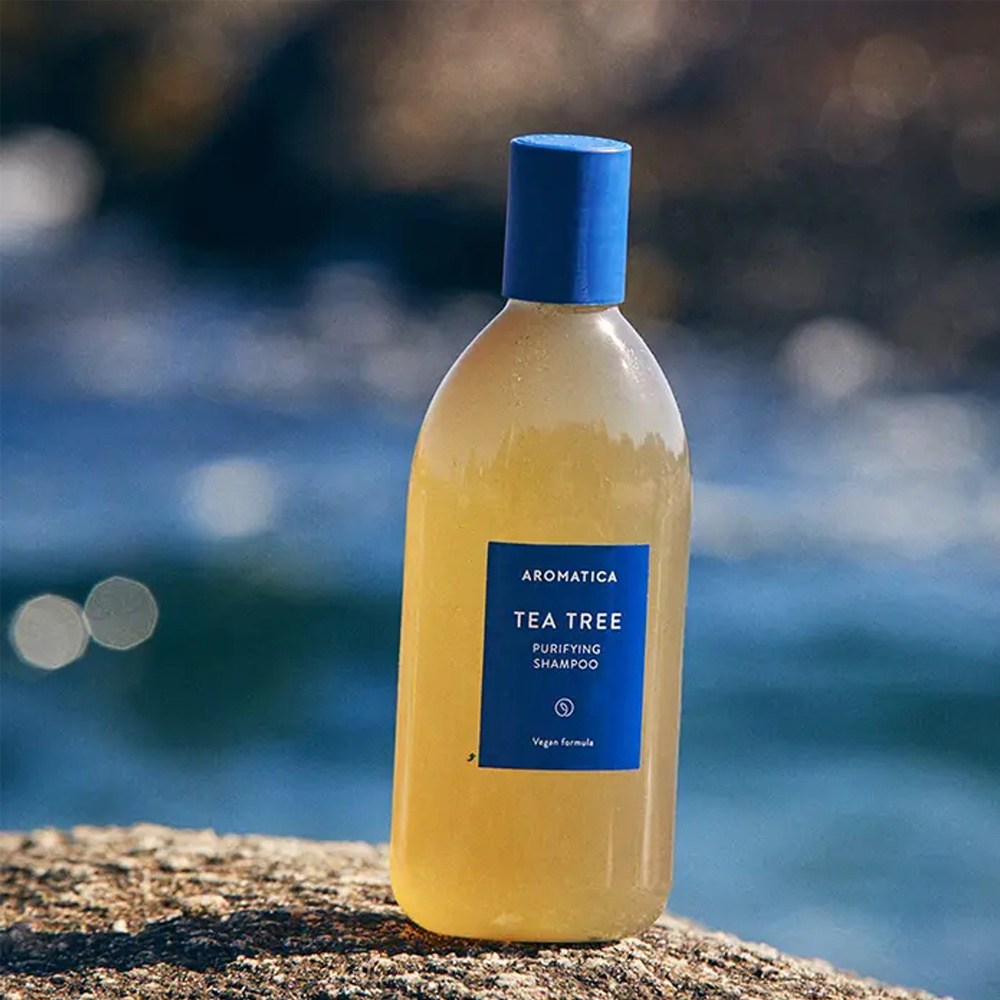
South Korea pushes the category further into microbiome and low-irritation care through brands like Dr.FORHAIR and Aromatica,
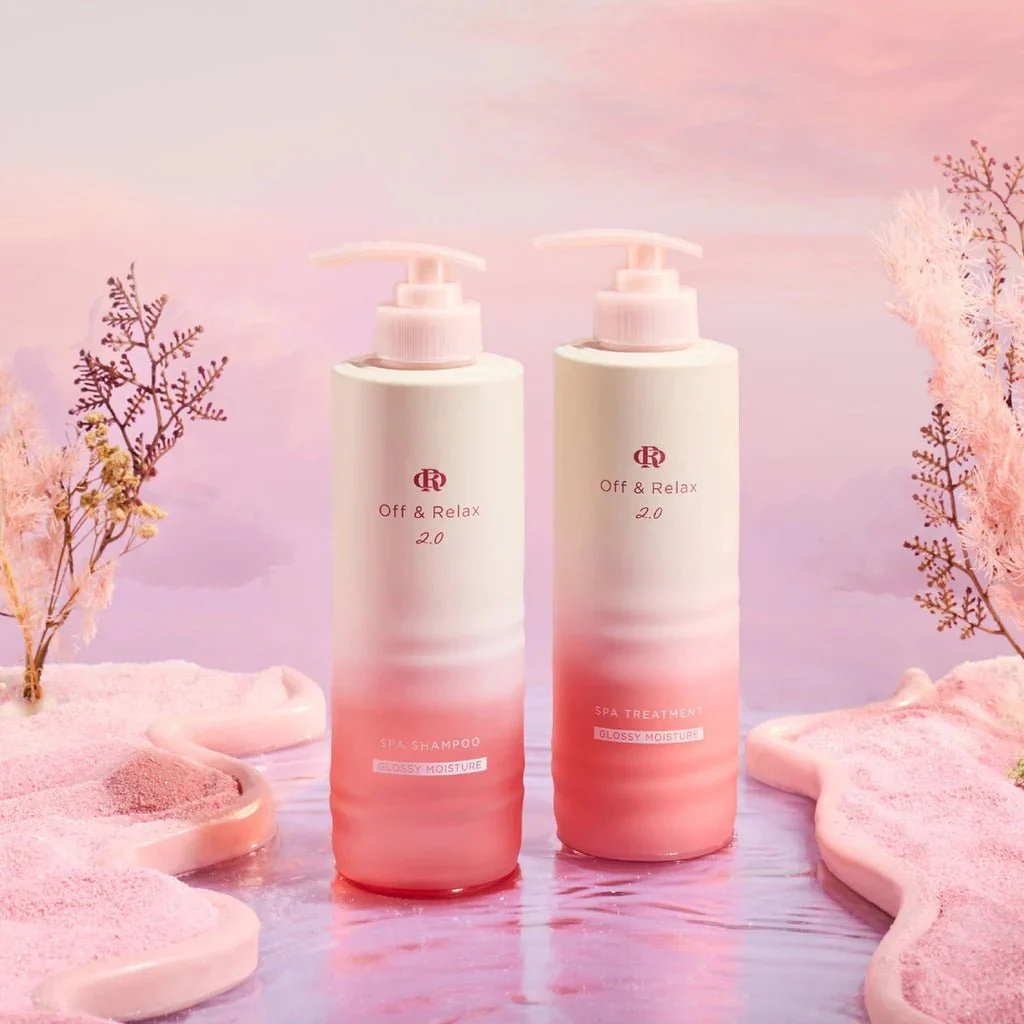
while Chinese brands such as SeeYoung, Befe and Off&Relax merge TCM-inspired wellness with scalp science and Gen Z premiumisation.
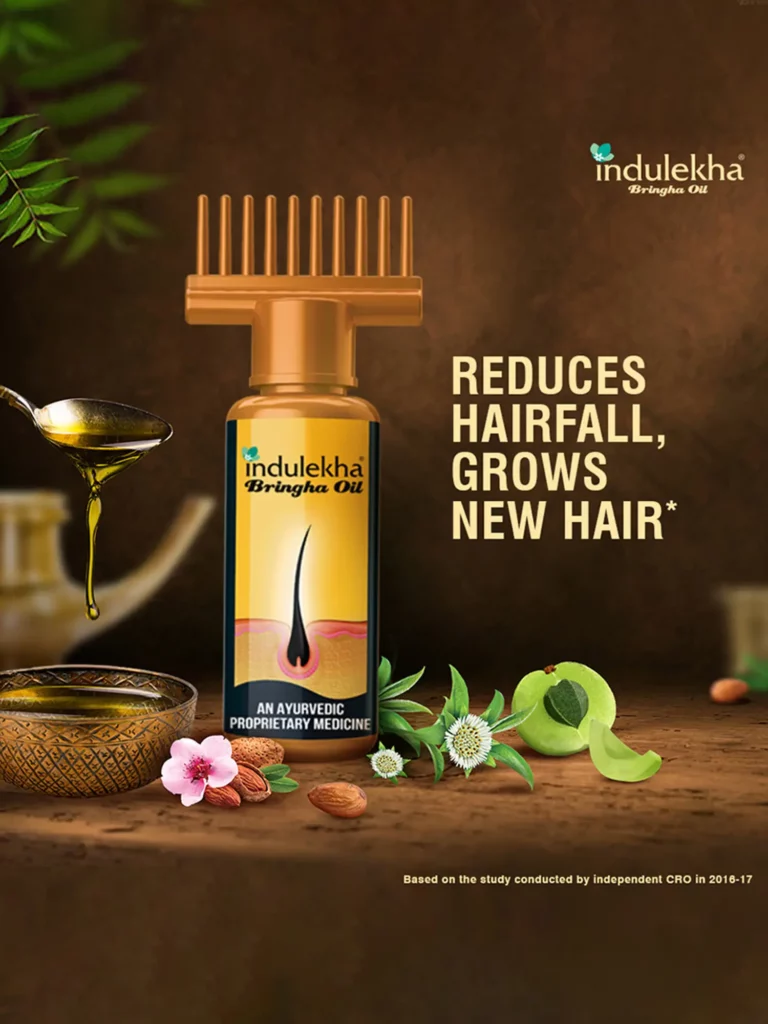
India approaches skinification differently. Brands like Minimalist Haircare, Inde Wild and Kama Ayurveda combine Ayurvedic logic with active ingredients and wellness positioning, creating a softer and more holistic version of efficacy culture.
Brazil, meanwhile, remains one of the most advanced treatment-driven haircare markets globally. Lola Cosmetics, Widi Care and Truss Professional reflect the country’s deep expertise in repair systems, smoothing science and intensive ritual care.
The protocol haircare
TikTok completely changed the rhythm of haircare.
Now it revolves around systems: Wash-day rituals., Layering routines., Heat-protection choreography.
Curly Girl methods. Creator-led “hair journeys”. The viral Abbey Yung Method reflects something much bigger than creator influence:
Consumers increasingly want personalised protocols rather than generic beauty advice.
This protocol culture also takes different forms across markets.
Japanese brands like Tsubaki and Ichikami focus heavily on layering, ritual precision and sensory sequencing, turning everyday haircare into highly choreographed care rituals.
India’s Fable & Mane translates traditional oiling rituals into globally accessible protocol culture, while Brazilian brands like Novex and Skala reflect a long-standing mass familiarity with multi-step masking rituals and intensive treatment systems.
Haircare is becoming ecosystem-based. Brands are no longer competing product against product. They are competing routine against routine.
Preventative haircare is going mainstream
Clinical repair and Molecular salvation
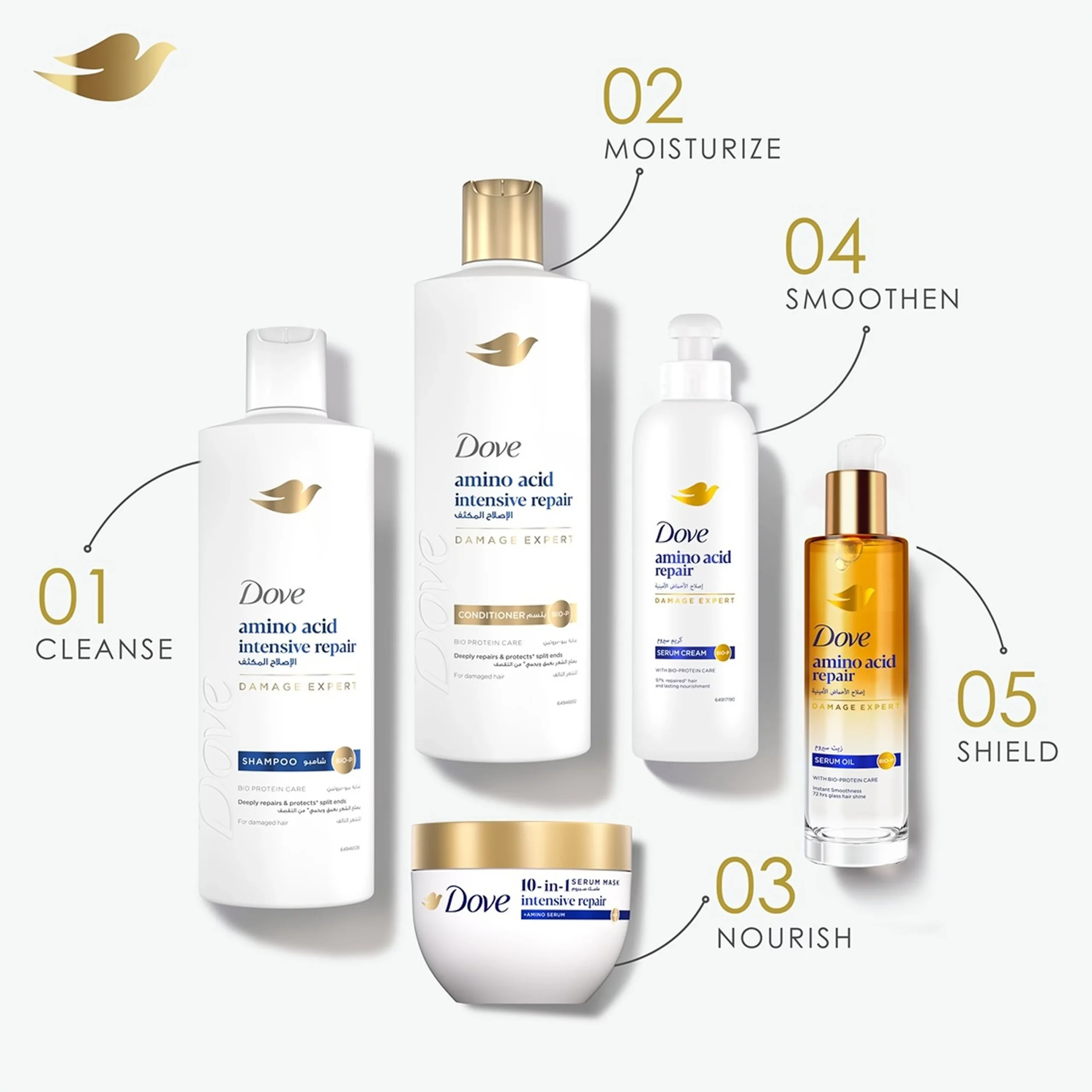
One of the strongest codes in haircare today is clinical repair. Hair damage is increasingly framed as something structural that requires scientific intervention. Brands like Dove Repair and Pantene Miracle Rescue use the language of bond repair, pH balance, molecular science, and clinically proven efficacy.
The language of repair also varies culturally.
Japan’s cult salon brand Tokio Inkarami became known for highly technical layering systems built around fibre-level repair rituals, while Brazilian brands like Cadiveu and Truss reflect the country’s sophisticated relationship with smoothing systems, chemical treatments and intensive restoration culture.
From Repair to Restoration
Historically, haircare focused primarily on correction. Now consumers increasingly want something else entirely:
relief.
Head spas are expanding globally through scalp-focused rituals that combine:
- diagnostics,
- massage,
- aromatherapy,
- sensory treatment,
- and stress reduction.
This is bigger than pampering.
Burnout, overstimulation and stress-related hair loss reshaped how consumers approach beauty rituals. Increasingly, haircare functions as emotional decompression: a small moment of calm inside a hyper-optimised world.
Japan is arguably one of the strongest cultural references for restoration-led haircare. Brands like uka and head-spa concepts across Tokyo transformed scalp rituals into experiences built around calm, slowness and nervous-system regulation.
South Korean salon ecosystems such as Park Jun Beauty Lab and Lee Ka Ja similarly combine scalp care with deeply restorative treatment rituals, while Morocco’s Nectarome connects hammam traditions with sensorial scalp wellness and emotional reset.
Consumers are no longer simply searching for healthier hair. They are searching for softer states of mind.
Quiet luxury and curated selfhood
As haircare became more emotionally charged, premium brands responded by aestheticising care itself.
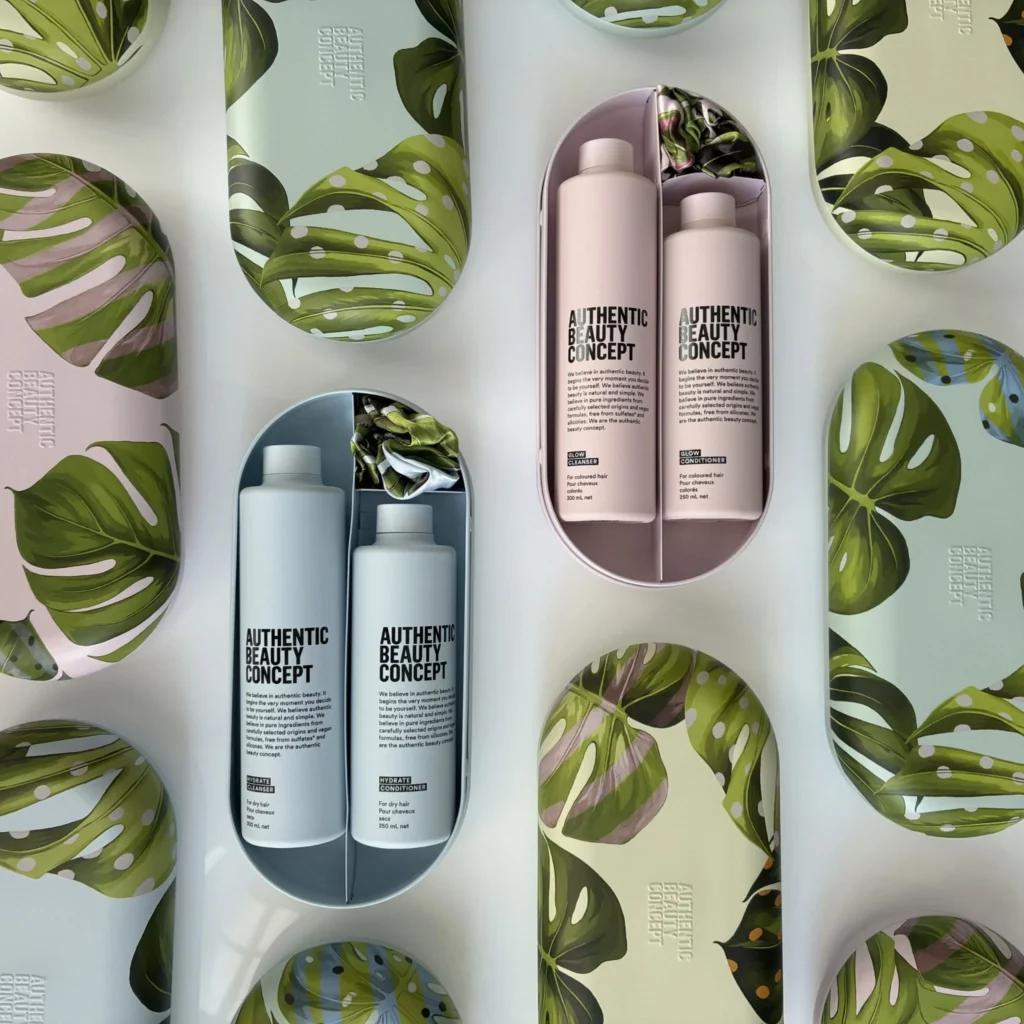
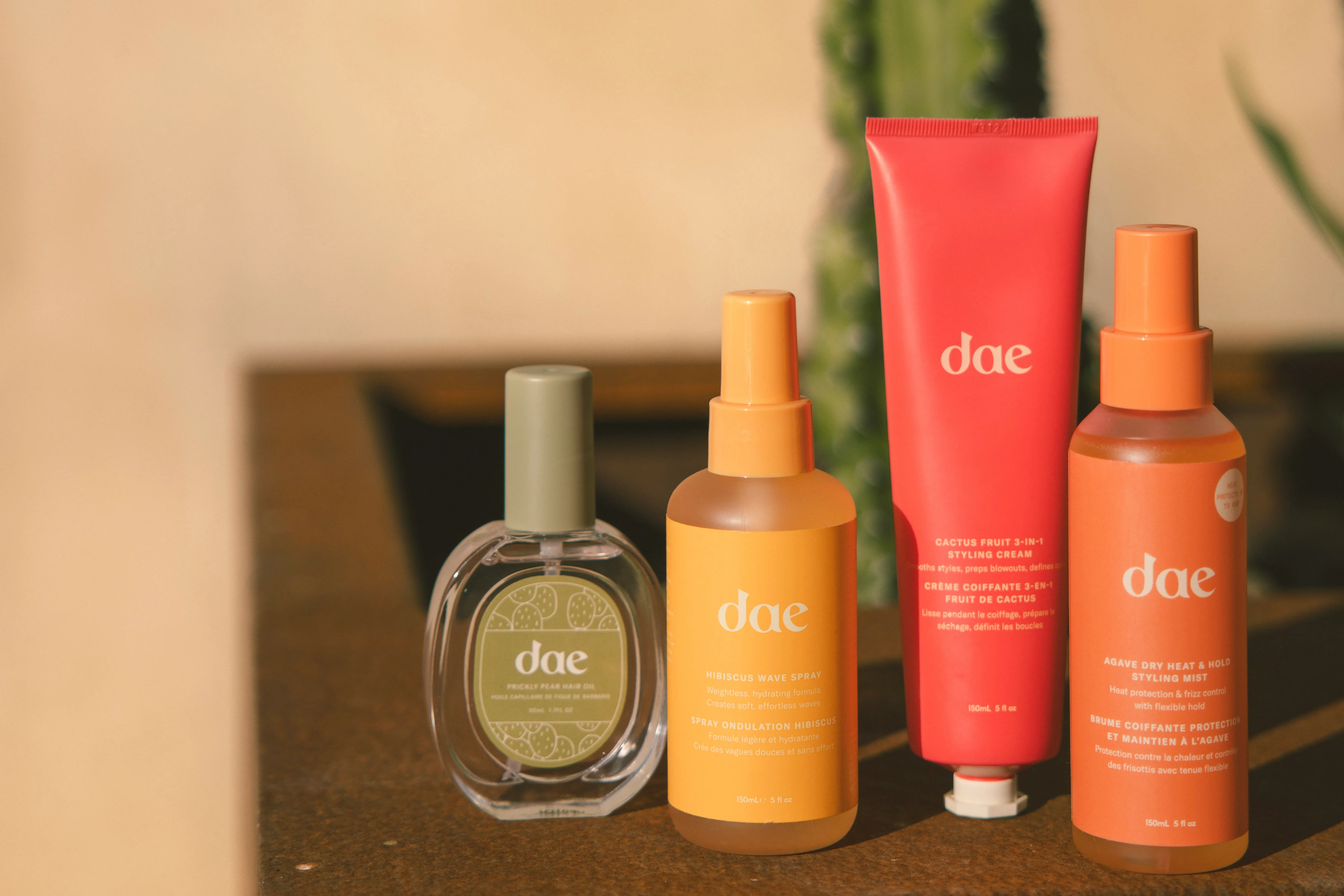
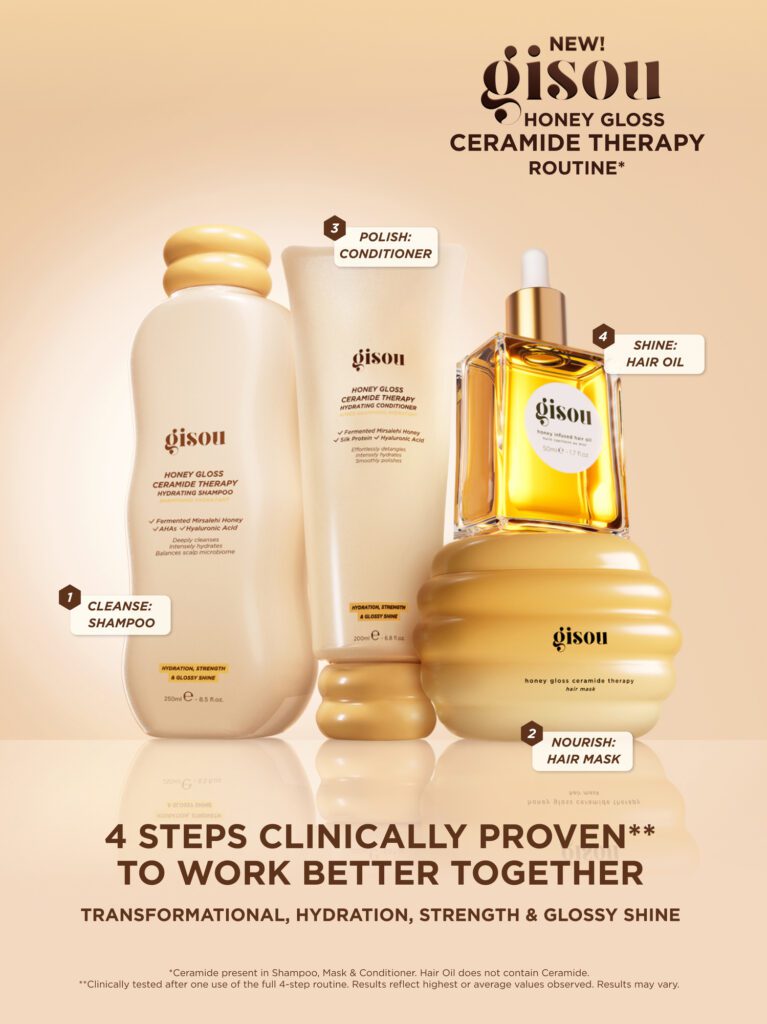
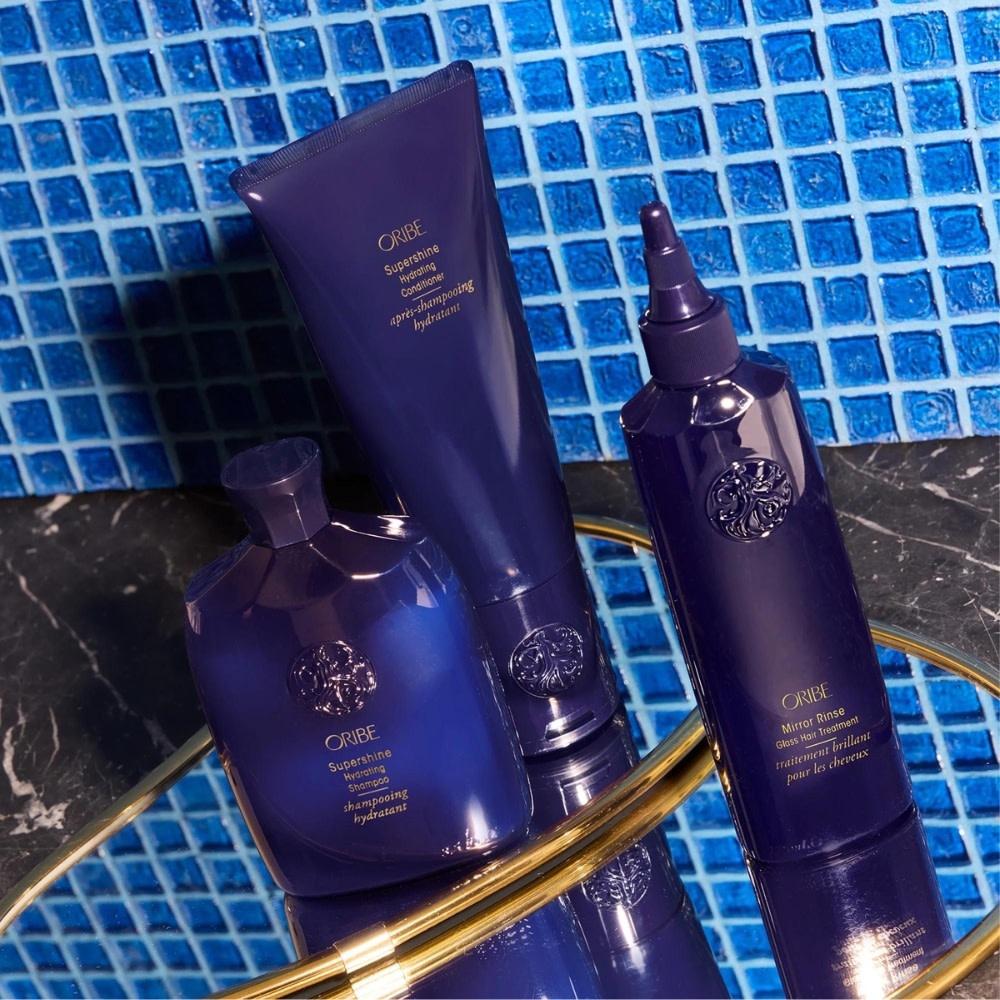
Haircare absorbed the visual language of luxury wellness. Brands like Crown Affair, Oribe, dae and Gisou are not simply selling shampoo. They are selling a version of selfhood: the idea that everyday routines can feel composed, tasteful and emotionally controlled.
The bathroom increasingly functions as: part beauty space, part lifestyle signal, part personal sanctuary.
Haircare now borrows heavily from:
- boutique hospitality,
- premium skincare,
- wellness architecture,
- and interior design culture.
Italy’s Davines blends sustainability, slow luxury and elevated design in a way that feels thoughtful rather than performative. Japan’s shu uemura art of hair expresses luxury through restraint and artistic minimalism, while Scandinavian brands like Sachajuan and Bjork push this even further through clean aesthetics and understated functionality.
Texture pride and cultural sovereignty
One of the most important cultural shifts in haircare is the rise of textured-hair authority.
Texture is no longer niche. It is reshaping mainstream beauty expectations globally.
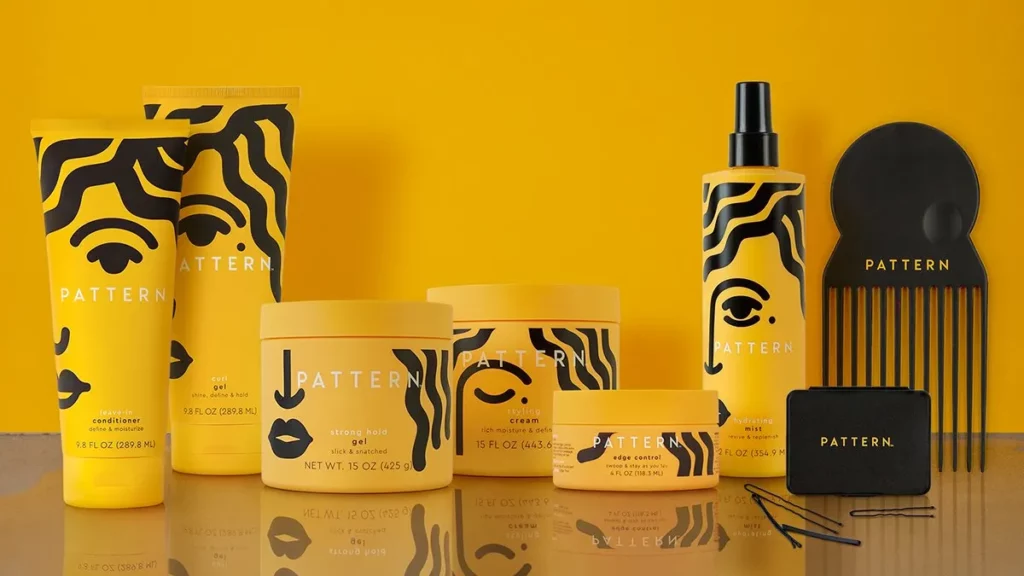
Brands like Pattern Beauty, Mielle, Fenty Hair and Hairitage succeed because they understand that textured hair requires more than diverse casting.
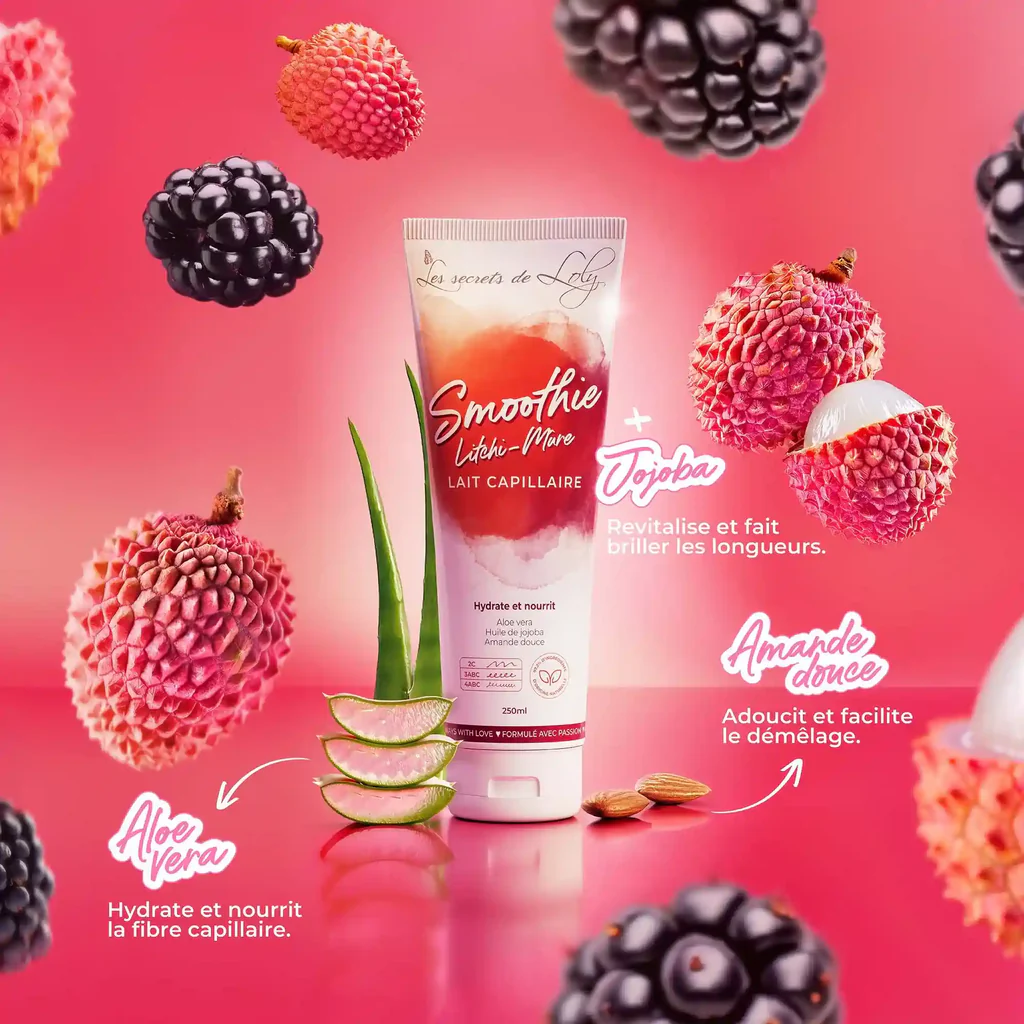
Charlotte Mensah in the UK and Les Secrets de Loly in France bring African diaspora expertise into premium haircare, while Nigerian brands like Recare and Natures Gentle Touch built long-standing trust through products designed around local textured-hair realities and protective styling needs.
Brazil also plays a major role in this evolution. Brands like Salon Line, Seda Boom and Lola Cosmetics helped normalise curl-first haircare at mass scale, reflecting Brazil’s deep relationship with texture diversity and ritual-led treatment culture.
Consumers increasingly distinguish between representation and real expertise.
Dove’s CROWN initiatives accelerated this conversation by framing natural hair discrimination as a social and professional issue rather than simply a beauty conversation. That is a much higher bar.
The future of haircare
Haircare’s next battleground is the interface
The next relevance battle for beauty brands will not only happen on shelf, in salons, or through creators. It will increasingly happen inside:
- avatars,
- gaming skins,
- AI-generated imagery,
- creator tools,
China already offers an important glimpse into this future. Platforms like Xiaohongshu transformed beauty into a creator-led identity ecosystem. Japan points towards another fascinating direction through VTuber aesthetics and avatar culture, where hair, styling and visual identity already function as extensions of digital personality.
Haircare is hyper targetted
One of the most interesting weak signals here is postcode haircare. Consumers are increasingly searching for: shower filters, chelating shampoos, and mineral-build-up solutions.
Haircare is becoming hyper-local.
Climate, pollution and geography increasingly shape routines and product expectations.
The final battle is resilience
The future of haircare will not be defined by shinier hair alone.
The next wave is already emerging:
- climate-defence formulations,
- pollution protection,
- scalp ecology,
- adaptive routines,
- and personalised treatment ecosystems.
Repair belongs to damage culture. Resilience belongs to adaptation.
The strongest future brands will not simply promise transformation after breakdown. They will help consumers protect themselves before the damage happens: against stress, pollution and harsh water.
What this means for brands?
Ultimately, haircare is no longer simply about appearance.
Haircare increasingly functions as an extension of identity.
And the brands that succeed will be the ones capable of combining science, emotion, ritual, performance and cultural relevance all at once.
Looking for more?
If you want to design the future of beauty through cultural intelligence, behavioural insight and semiotic strategy, connect with INTERCULT BRANDS.